





Description
Waterproof Soap Sleeves Moisture Protection
Waterproof soap sleeves provide essential moisture protection for soaps exposed to humid environments, bathroom storage, or wet handling conditions. These specialized sleeves utilize moisture-resistant materials and protective coatings preventing water damage to packaging graphics, product information, and structural integrity. Soap manufacturers serving bath environments, spa facilities, pool areas, and shower applications require packaging withstanding constant moisture exposure without deteriorating or becoming unsightly. The silicone safe sleeve demonstrates advanced material technology creating complete moisture barriers while maintaining flexibility and visual appeal throughout extended humid exposure.
Professional soap brands benefit from waterproof packaging maintaining pristine appearance despite challenging environmental conditions. Standard paper sleeves deteriorate quickly when exposed to bathroom humidity or direct water contact. Waterproof alternatives ensure products remain professionally presented from manufacturing through final consumer use protecting brand reputation and customer satisfaction.
Understanding Moisture Protection Requirements
Moisture protection needs vary based on product applications and storage environments. Bathroom soaps face constant humidity exposure. Shower products encounter direct water contact. Pool and spa soaps experience extreme moisture conditions requiring maximum protection levels. Understanding specific environmental challenges guides appropriate waterproof solution selection. The plastic clear cover provides transparent moisture barriers enabling product visibility while delivering complete water protection suitable for demanding applications.
Categorizing environmental moisture exposure helps determine required protection levels. Light exposure includes occasional bathroom humidity. Moderate exposure involves regular splash contact. Heavy exposure means continuous moisture or submersion conditions. The bath and body option addresses these challenges through moisture-resistant materials and protective treatments.
Moisture exposure categories include:
- Light: Standard bathroom humidity, occasional steam exposure
- Moderate: Shower vicinity storage, frequent splash contact
- Heavy: Direct shower mounting, poolside placement, spa environments
- Extreme: Underwater display, continuous submersion applications
- Variable: Seasonal humidity changes, climate-dependent conditions
- Commercial: Public facility demands, heavy customer handling
Material selection and coating applications vary based on exposure intensity. Light conditions may require only coating enhancements. Extreme environments need synthetic waterproof materials or laminated constructions.
| Exposure Level | Typical Environment | Protection Needed | Material Solution |
|---|---|---|---|
| Light | Powder room, guest bath | Basic coating | Coated paper |
| Moderate | Family bathroom | Enhanced coating | Laminated paper |
| Heavy | Shower area, spa | Waterproof material | Synthetic paper |
| Extreme | Pool deck, underwater | Maximum barrier | Plastic/silicone |
How Moisture Damages Packaging Materials Daily
Moisture damages soap sleeves through multiple mechanisms. Water absorption causes paper swelling and warping. Humidity weakens adhesives compromising seams. Condensation smears printed graphics reducing legibility. Mold growth creates unsanitary appearance affecting brand perception.
Moisture damage types include:
- Structural deterioration from water absorption
- Graphic smearing or fading from moisture contact
- Adhesive failure at seams and closures
- Color bleeding between printed elements
- Mold or mildew growth on organic materials
- Dimensional changes from humidity expansion
Prevention strategies include material selection, protective coatings, sealed construction, and antimicrobial treatments. Comprehensive approaches combining multiple protection methods deliver optimal moisture resistance.
Waterproof Material Technologies Available
Multiple material technologies provide waterproofing capabilities each offering specific performance characteristics, cost implications, and environmental considerations. Understanding material options enables appropriate selection matching application requirements and budget constraints. The custom printed upgrade enables sophisticated graphics on laminated surfaces where high-resolution printing combines with moisture protection creating attractive, durable packaging.
Synthetic papers manufactured from plastic polymers provide inherent water resistance. These materials resist tearing, maintain dimensional stability under moisture exposure, and support high-quality printing despite non-porous surfaces.
Synthetic paper characteristics include:
- Complete water impermeability preventing absorption
- Tear resistance supporting durability under wet handling
- Dimensional stability maintaining size despite humidity
- Printability accepting various ink technologies
- Recyclability varying by specific material composition
- Cost premium compared to traditional paper options
Popular synthetic papers include polypropylene, polyethylene, and Tyvek variants. Each offers distinct performance profiles suiting different waterproof sleeve applications.
| Synthetic Type | Water Resistance | Durability | Printability | Environmental Impact |
|---|---|---|---|---|
| Polypropylene | Excellent | Very Good | Good | Fair |
| Polyethylene | Excellent | Excellent | Moderate | Fair |
| Tyvek | Excellent | Excellent | Very Good | Good |
| Stone Paper | Excellent | Good | Very Good | Very Good |
Laminated Paper Solutions For Flexibility
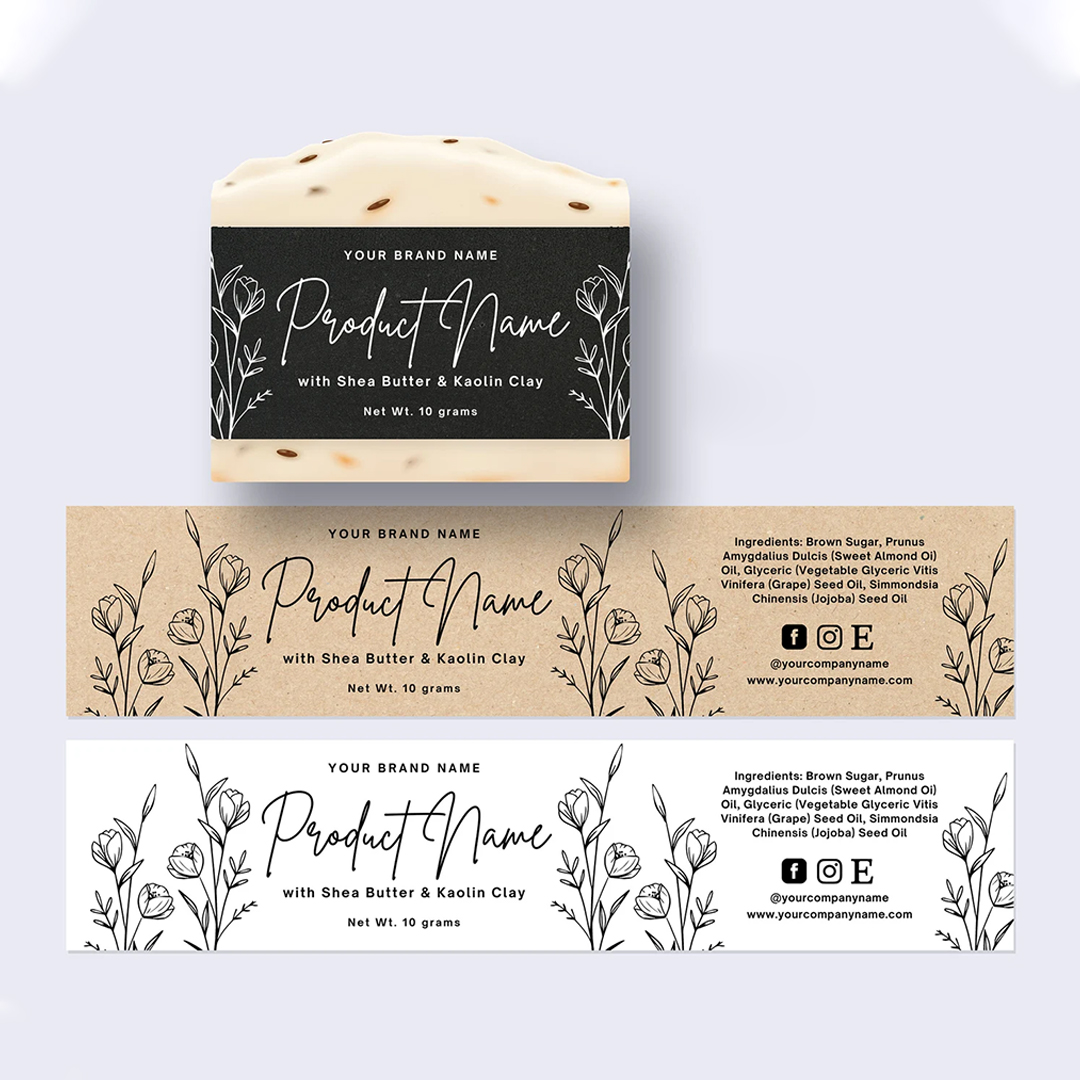
Laminated papers combine traditional paper bases with plastic films creating moisture barriers while maintaining paper-like aesthetics. This hybrid approach balances waterproofing performance with familiar handling characteristics and potential recyclability. The basic bar wrap demonstrates fundamental construction while waterproof versions incorporate advanced sealing technologies.
Film lamination provides surface protection against water contact. Moisture cannot penetrate protective layers reaching vulnerable paper cores. Print quality remains excellent as smooth laminate surfaces accept detailed graphics.
Lamination benefits include:
- Paper-like appearance maintaining familiar aesthetics
- Moderate waterproofing adequate for most applications
- Cost effectiveness versus full synthetic materials
- Printing versatility on paper base before laminating
- Partial recyclability depending on adhesive types
- Texture options through film selection
Coating Technologies For Water Resistance
Protective coatings applied to conventional paper stocks provide varying water resistance levels without complete material replacement. Coating technologies range from basic water-repellent treatments to advanced barrier applications. The bath and body option incorporates specialized coatings that prevent structural degradation in high-humidity environments while preserving the tactile quality of the paper.
Aqueous coatings use water-based formulations creating protective surface layers. These coatings provide basic moisture resistance, enhance appearance, and maintain recyclability making them popular sustainable waterproofing options.
Aqueous coating features include:
- Water-based formulation supporting environmental goals
- Basic moisture resistance for light exposure applications
- Gloss or matte finish options enhancing aesthetics
- Recyclability maintenance in many programs
- Cost effectiveness versus other coating methods
- Quick drying supporting efficient production
Aqueous coatings suit soaps stored in controlled bathroom environments with occasional humidity exposure but not direct water contact.
UV And Polymer Coating Systems Technology
UV-cured and polymer coatings provide enhanced moisture barriers through chemical crosslinking creating dense protective layers. These advanced coatings deliver superior water resistance while maintaining paper substrate benefits.
Advanced coating benefits include:
- Enhanced moisture barriers beyond aqueous options
- Scratch resistance protecting graphics during handling
- Chemical resistance to cleaning products and toiletries
- Flexibility preventing coating cracks during flexing
- Clarity maintaining graphic vibrancy and color accuracy
- Durability extending package life under demanding conditions
UV coatings cure instantly under ultraviolet light enabling efficient production. Polymer systems may require thermal curing but deliver exceptional protection levels.
| Coating Type | Moisture Protection | Appearance | Environmental | Cost |
|---|---|---|---|---|
| Aqueous | Basic | Natural | Excellent | Low |
| UV Coating | Good | High gloss | Good | Moderate |
| Polymer | Very Good | Variable | Fair | Moderate-High |
| Wax | Good | Matte | Good | Low-Moderate |
Construction Methods For Moisture Barriers
Sleeve construction techniques significantly impact moisture resistance. Sealed edges, overlapping panels, and waterproof adhesives all contribute to overall protection preventing water ingress through structural vulnerabilities. Understanding sizing adjustments becomes important when waterproof materials behave differently than standard papers requiring modified tolerances and construction approaches.
Edge sealing prevents moisture penetration at sleeve seams where paper edges typically absorb water rapidly. Heat sealing, ultrasonic welding, or waterproof adhesives create moisture-tight closures.
Sealing method options include:
- Heat sealing melting materials together creating watertight bonds
- Ultrasonic welding using vibration generating fusion seams
- Waterproof adhesives maintaining bonds despite moisture exposure
- Overlap construction providing double-layer moisture barriers
- Fold-over designs eliminating adhesive requirements entirely
- Sealed pouches offering complete enclosure protection
Sealing quality determines whether moisture penetrates sleeves through construction weaknesses. Professional manufacturing ensures consistent, reliable sealing across production runs.
Structural Design Considerations For Sleeves
Sleeve structure affects moisture vulnerability. Minimal seams reduce water entry points. Strategic folding patterns direct water away from critical areas. Drainage features prevent moisture accumulation.
Structural waterproofing features include:
- Minimal seam designs reducing potential failure points
- Overlapping flaps creating labyrinth moisture barriers
- Drain channels directing water away from seams
- Standing seams elevating vulnerable joints above water contact
- Gusseted designs accommodating expansion without stress
- Reinforced stress points preventing moisture-induced failure
Application Specific Waterproof Solutions
Different soap applications demand specific waterproofing approaches. Shower soaps need maximum protection. Bathroom counter soaps require moderate resistance. The application contexts guides solution selection. Understanding market category helps identify specific requirements across varied commercial and residential applications requiring different protection approaches. This comprehensive analysis ensures that every packaging design meets the durability and aesthetic needs of its intended environment.
Soaps used directly in showers face extreme moisture exposure requiring maximum waterproofing. Direct water spray, constant humidity, and temperature fluctuations create demanding conditions.
Shower application requirements include:
- Complete water impermeability preventing deterioration
- Mold resistance avoiding unsanitary appearance
- Temperature stability withstanding hot shower steam
- Adhesive reliability maintaining seals despite moisture
- Print durability preserving information legibility
- Structural integrity preventing collapse when wet
Shower applications typically require synthetic materials or heavily laminated solutions. Basic coatings prove insufficient under continuous moisture exposure.
Pool And Spa Environments Require Durability
Pool and spa soaps encounter chlorinated water, extreme humidity, and frequent splashing demanding specialized waterproof solutions. Chemical resistance becomes as important as moisture protection.
Pool environment challenges include:
- Chlorine exposure potentially degrading materials
- High humidity levels causing paper deterioration
- Direct water contact from splashing or submersion
- Temperature extremes from hot tubs or cold plunges
- Chemical exposure from sanitizers and treatments
- Extended moisture exposure without drying periods
Synthetic materials or fully sealed constructions provide necessary protection supporting product integrity.
Printing On Waterproof Materials Successfully
Waterproof materials present unique printing challenges. Non-porous synthetic surfaces resist conventional ink adhesion. Special ink formulations, printing methods, and surface treatments enable high-quality graphics on moisture-resistant materials.
Different ink types suit waterproof material printing. UV-cured inks bond well to synthetics. Solvent inks penetrate non-porous surfaces. Water-based inks require surface treatments for adhesion.
Printing ink options include:
- UV-cured inks providing instant drying and excellent adhesion
- Solvent-based inks penetrating synthetic material surfaces
- Water-based inks requiring primers or surface treatments
- Latex inks offering environmental benefits with good adhesion
- Screen printing inks delivering heavy coverage and durability
- Digital inks enabling variable data and customization
Ink selection affects appearance, durability, environmental impact, and cost. Matching ink technology to material type ensures optimal results.
| Ink Type | Adhesion | Durability | Environmental | Applications |
|---|---|---|---|---|
| UV-Cured | Excellent | Excellent | Good | Synthetic papers |
| Solvent | Very Good | Excellent | Fair | Plastic films |
| Water-Based | Good* | Good | Excellent | Treated surfaces |
| Latex | Very Good | Very Good | Very Good | Varied substrates |
Sustainability And Waterproof Packaging Now
Waterproofing traditionally relied on plastic materials raising environmental concerns. Modern sustainable waterproofing technologies balance moisture protection with ecological responsibility. Understanding style variations helps match waterproofing approaches to brand positioning where luxury brands might accept synthetic materials while natural brands prioritize biodegradable options.
Biodegradable waterproof coatings, plant-based barrier films, and recyclable synthetic materials provide environmentally responsible moisture protection options.
Sustainable waterproof solutions include:
- Bio-based polymer coatings derived from renewable resources
- Biodegradable synthetic papers breaking down naturally
- Recyclable polypropylene accepted in many programs
- Compostable laminations using plant-based films
- Water-based barrier coatings avoiding solvents
- Minimal material approaches reducing overall consumption
Stone paper manufactured from calcium carbonate and non-toxic resins offers waterproof performance with strong environmental credentials including recyclability and biodegradability.
Balancing Protection And Environment Goals
Waterproofing requirements may conflict with sustainability goals. Optimal solutions balance adequate moisture protection with minimal environmental impact.
Balance consideration factors include:
- Actual protection level required versus maximum available
- Product lifespan justifying waterproof material investment
- End-of-life disposal or recycling options
- Renewable versus petroleum-based material sources
- Manufacturing process environmental impacts
- Consumer expectations regarding sustainability
Environmental responsibility and functional performance both matter to conscious consumers.
Implementation And Testing Procedures Plan
Successfully implementing waterproof sleeves requires proper testing validating performance under actual use conditions. Laboratory and field testing ensure adequate protection.
Various testing protocols assess waterproof performance. Spray tests simulate shower conditions. Humidity chambers evaluate long-term exposure. Submersion tests verify maximum protection claims.
Testing methodology options include:
- Spray testing simulating direct water exposure
- Humidity chamber testing evaluating long-term conditions
- Submersion testing confirming complete waterproofing
- Freeze-thaw cycling assessing adhesive reliability
- Chemical exposure testing chlorine and cleanser resistance
- Real-world field testing in actual application environments
Comprehensive testing before full production prevents costly failures after market introduction.
Developing Waterproof Packaging Solutions
Creating effective waterproof soap sleeves requires understanding moisture challenges, evaluating material options, optimizing designs, and validating performance. The protective soap packaging approach integrates all these elements creating comprehensive solutions matching specific application requirements while balancing cost, sustainability, and functional performance throughout product lifecycles.
Successful waterproof packaging development involves collaboration between soap manufacturers, packaging designers, material suppliers, and testing laboratories ensuring solutions meet performance requirements while supporting brand objectives and budget constraints.