





Description
Bath And Body Soap Sleeves Professional Packaging
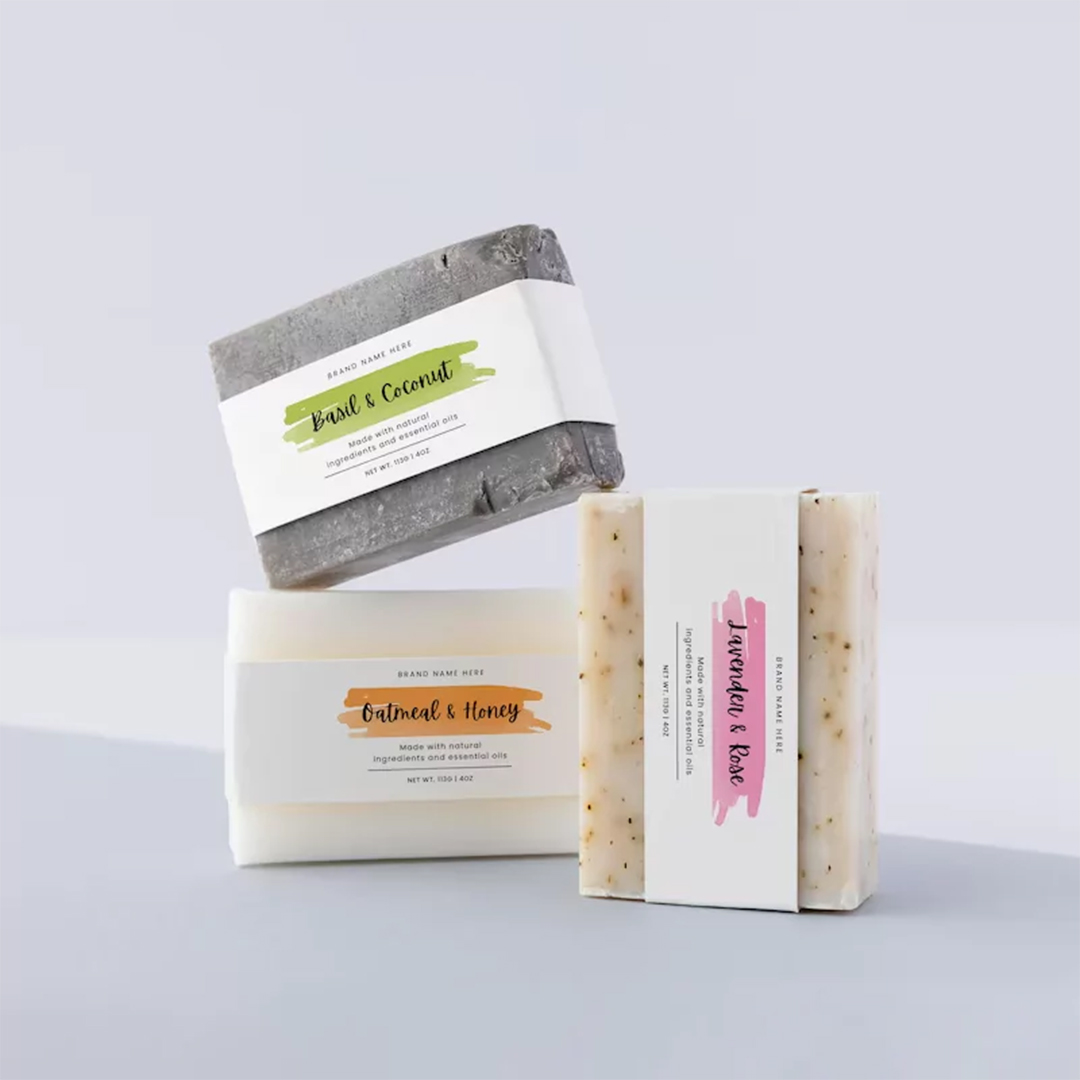
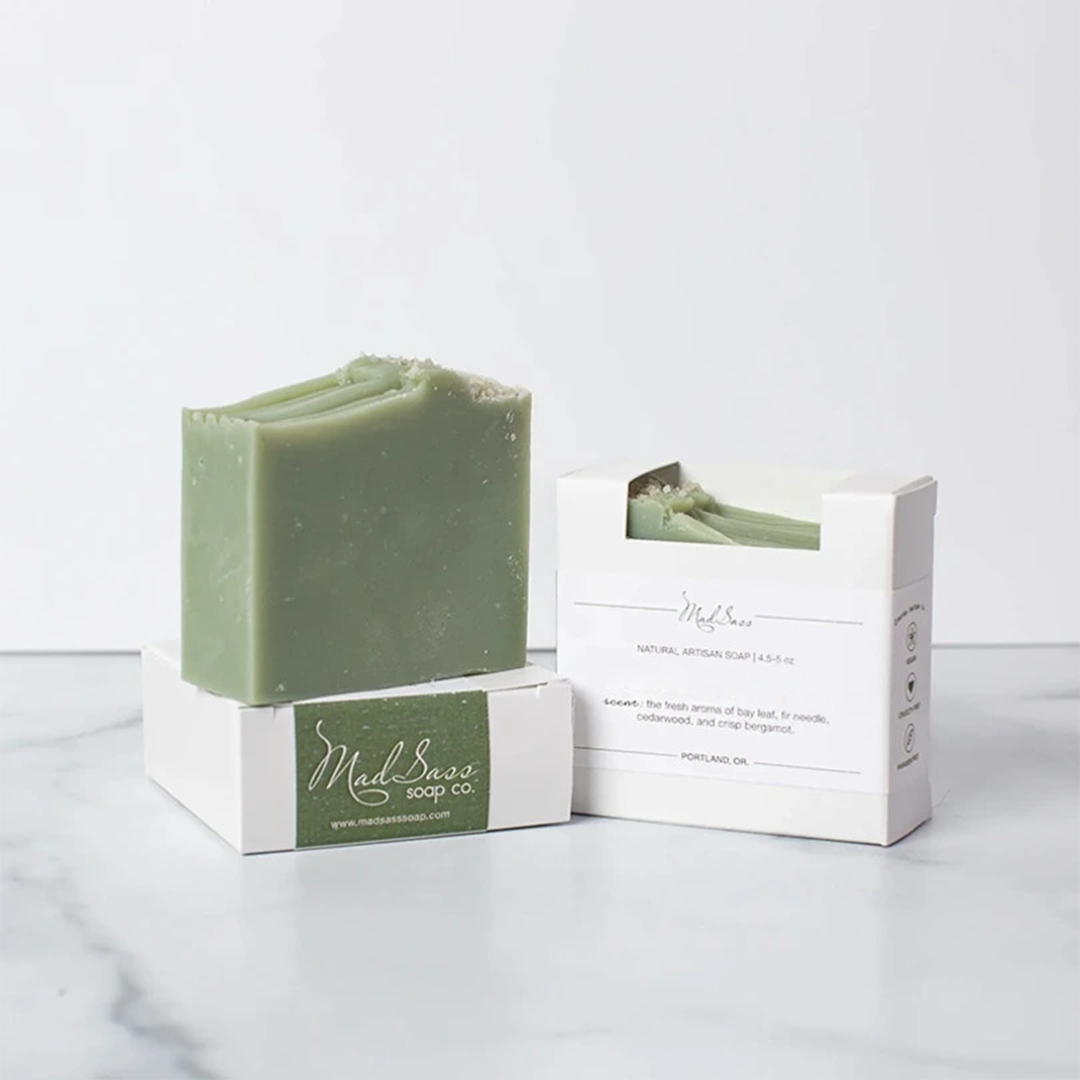
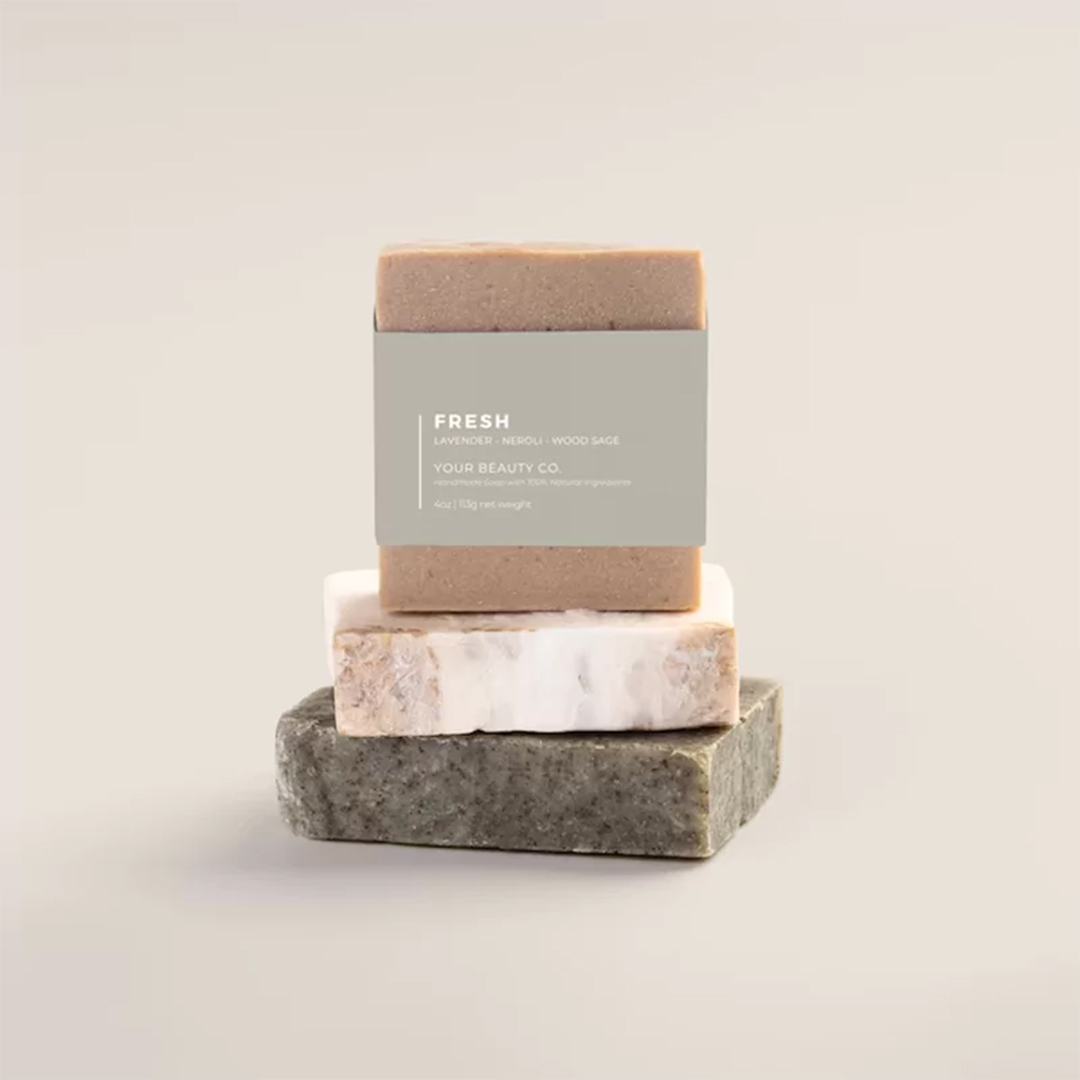
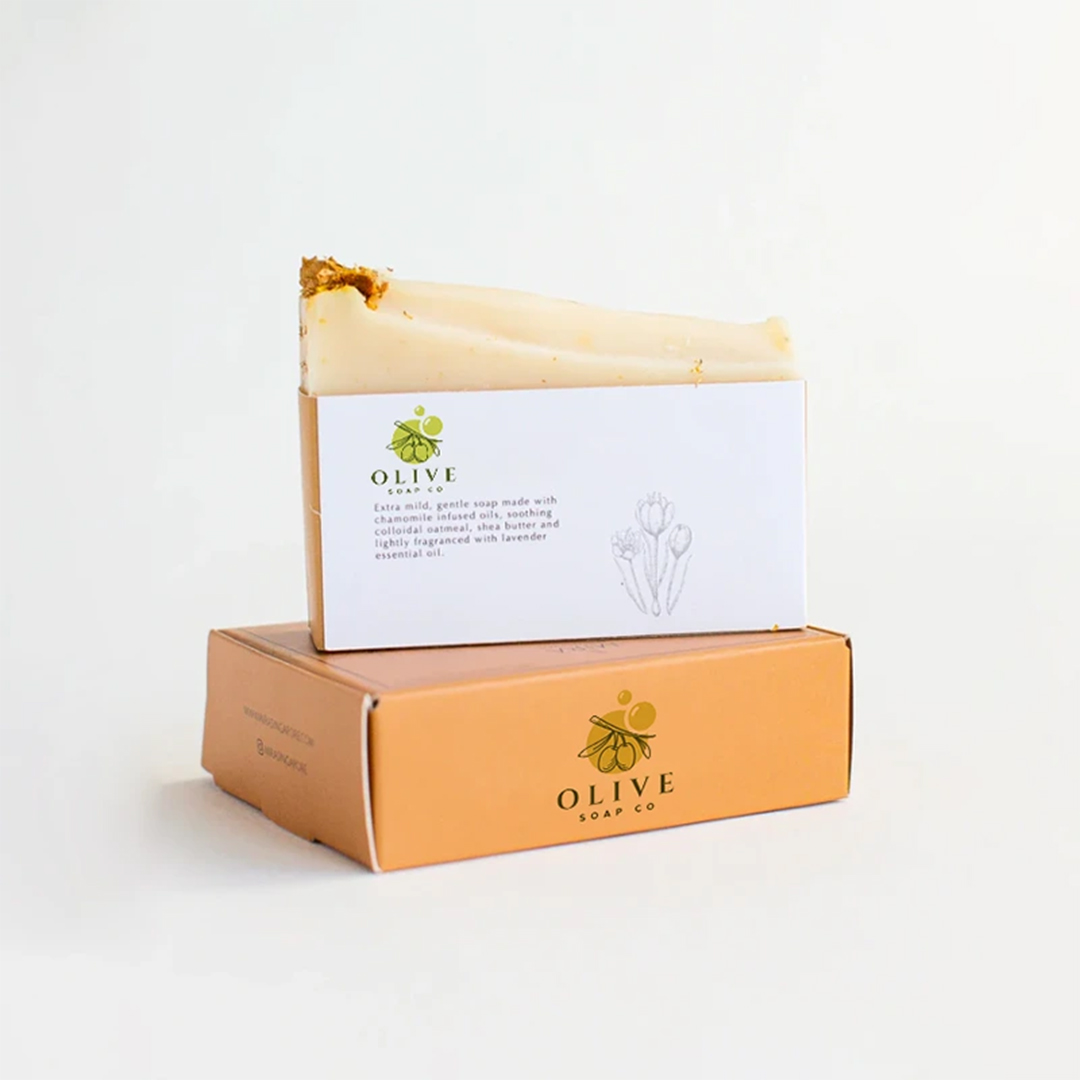
Beauty brands benefit from packaging designed specifically for bath and body market expectations where customers scrutinize ingredients, sustainability credentials, and product origins before purchasing. The skincare wrap style demonstrates how premium packaging elevates perceived product value supporting higher price points in competitive beauty markets. Bath and body packaging must balance protection, information communication, and aesthetic appeal creating cohesive brand experiences from shelf to shower.
Bath and body soap sleeves provide specialized packaging for personal care products sold through beauty retailers, spas, boutiques, and wellness centers. These sleeves protect bath soaps, body bars, facial cleansers, and specialty cleansing products while communicating brand values and product benefits to beauty-conscious consumers. Our sleeves accommodate the unique requirements of bath and body products including moisture resistance, hygiene presentation, and ingredient transparency appealing to skincare enthusiasts seeking quality personal care solutions.
Understanding Bath And Body Market Requirements
The bath and body market presents specific packaging challenges requiring solutions addressing hygiene concerns, moisture protection, and ingredient transparency. Customers purchasing bath products expect clean, professional packaging suggesting product purity and quality manufacturing standards. Packaging must protect products while enabling ingredient verification and scent sampling where appropriate.
Bath and body consumers research products carefully before purchase. Ingredient lists, usage instructions, and benefit claims all require clear packaging presentation. The moisture safe packaging approach ensures bath environment exposure doesn’t compromise sleeve integrity or printed information legibility throughout product life from purchase through final use.
Hygiene and Protection Standards
Bath and body products require packaging maintaining hygiene throughout distribution and storage. Sleeves must prevent contamination while allowing necessary product ventilation. Moisture resistance becomes essential as products often display in humid bath environments.
Hygiene packaging features include:
- Sealed edges preventing dust and contaminant entry
- Moisture-resistant materials maintaining structural integrity
- Antimicrobial coating options reducing bacterial growth
- Easy-clean surfaces supporting sanitary merchandising
- Tamper-evident features ensuring product security
- Protective barriers isolating products during shipping
Different bath product types require specific hygiene considerations. Soap bars need breathable packaging preventing moisture buildup. Body scrubs with organic ingredients require contamination prevention. Facial cleansing bars demand extra purity assurance through packaging design.
| Product Type | Hygiene Priority | Moisture Exposure | Protection Level |
|---|---|---|---|
| Bath Soap Bars | Moderate | High | Standard |
| Facial Cleansers | High | Moderate | Enhanced |
| Body Scrub Bars | Moderate-High | Moderate | Standard-Enhanced |
| Specialty Treatment | Very High | Low-Moderate | Maximum |
| Exfoliating Bars | Moderate | High | Standard |
Essential Ingredient Transparency Requirements
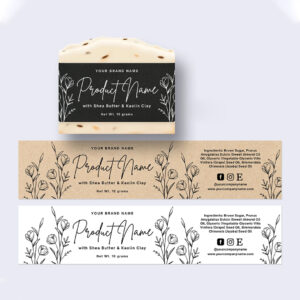
The printed branding styles enable comprehensive ingredient communication through well-designed information layouts balancing marketing appeal with educational content. Transparency builds trust with consumers prioritizing natural ingredients, cruelty-free production, and sustainable sourcing.
Bath and body consumers increasingly demand ingredient transparency. Packaging must clearly display ingredient lists, sourcing information, and certification details supporting informed purchasing decisions. Clear typography and adequate space allocation ensure legibility.
Material Selection for Bath Environments
Material choices significantly impact bath and body sleeve performance in humid environments. Water-resistant coatings protect printed information. Moisture-stable materials maintain structural integrity. Material selection must balance environmental conditions with sustainability goals.
Bath product packaging faces challenging environmental exposure. Bathroom humidity, direct water contact during storage, and temperature fluctuations all stress packaging materials. Appropriate material selection ensures sleeves remain attractive and functional throughout product use.
Moisture-Resistant Material Options
Various materials offer moisture resistance suiting bath and body applications. Coated papers provide basic protection. Laminated stocks offer enhanced resistance. Synthetic materials deliver maximum moisture defense though environmental concerns may limit appeal.
Material performance characteristics include:
- Coated kraft resisting humidity while maintaining recyclability
- Laminated cardstock providing enhanced water protection
- Synthetic papers offering maximum moisture defense
- Wax-coated options delivering traditional water resistance
- Hybrid materials balancing protection with sustainability
- Specialty treatments creating specific performance profiles
Material selection should consider both functional requirements and brand positioning. Natural beauty brands may prioritize recyclable materials accepting some performance limitations. Premium spa products might select synthetic options ensuring pristine presentation throughout extended use.
| Material Type | Moisture Resistance | Sustainability | Cost Factor | Best Application |
|---|---|---|---|---|
| Coated Kraft | Good | Excellent | Low | General bath soaps |
| Laminated Paper | Very Good | Good | Moderate | Body care products |
| Synthetic Paper | Excellent | Fair | High | Premium spa lines |
| Wax-Coated | Good | Very Good | Low-Moderate | Natural product lines |
Design Strategies for Beauty Markets
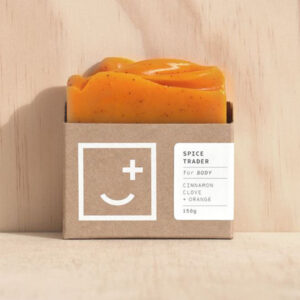
Design approaches for bath and body sleeves differ from general soap packaging requiring aesthetics aligned with beauty and wellness positioning. Clean layouts, spa-inspired color palettes, and ingredient-focused information hierarchies communicate product benefits effectively. The basic wrap provides foundation functionality while design customization creates market differentiation.
Beauty market design trends emphasize minimalism, natural elements, and spa-like calm. Color palettes often feature soft neutrals, botanical greens, and ocean blues suggesting purity and nature. Typography choices favor clean sans-serifs or elegant serifs communicating sophistication.
Design element strategies include:
- Minimalist layouts emphasizing product purity and simplicity
- Botanical illustrations connecting products to natural ingredients
- Spa-inspired color palettes creating relaxation associations
- Clean typography ensuring easy information comprehension
- Ingredient-focused designs highlighting natural formulations
- Lifestyle imagery suggesting usage contexts and benefits
| Brand Positioning | Design Approach | Color Palette | Typography Style |
|---|---|---|---|
| Luxury Spa | Refined minimalism | Metallics, neutrals | Elegant serifs |
| Natural Wellness | Organic, botanical | Earth tones, greens | Friendly sans-serif |
| Mass Market | Clear, functional | Bright, accessible | Bold sans-serif |
| Premium Boutique | Sophisticated modern | Muted, sophisticated | Contemporary fonts |
Information Architecture for Bath Products
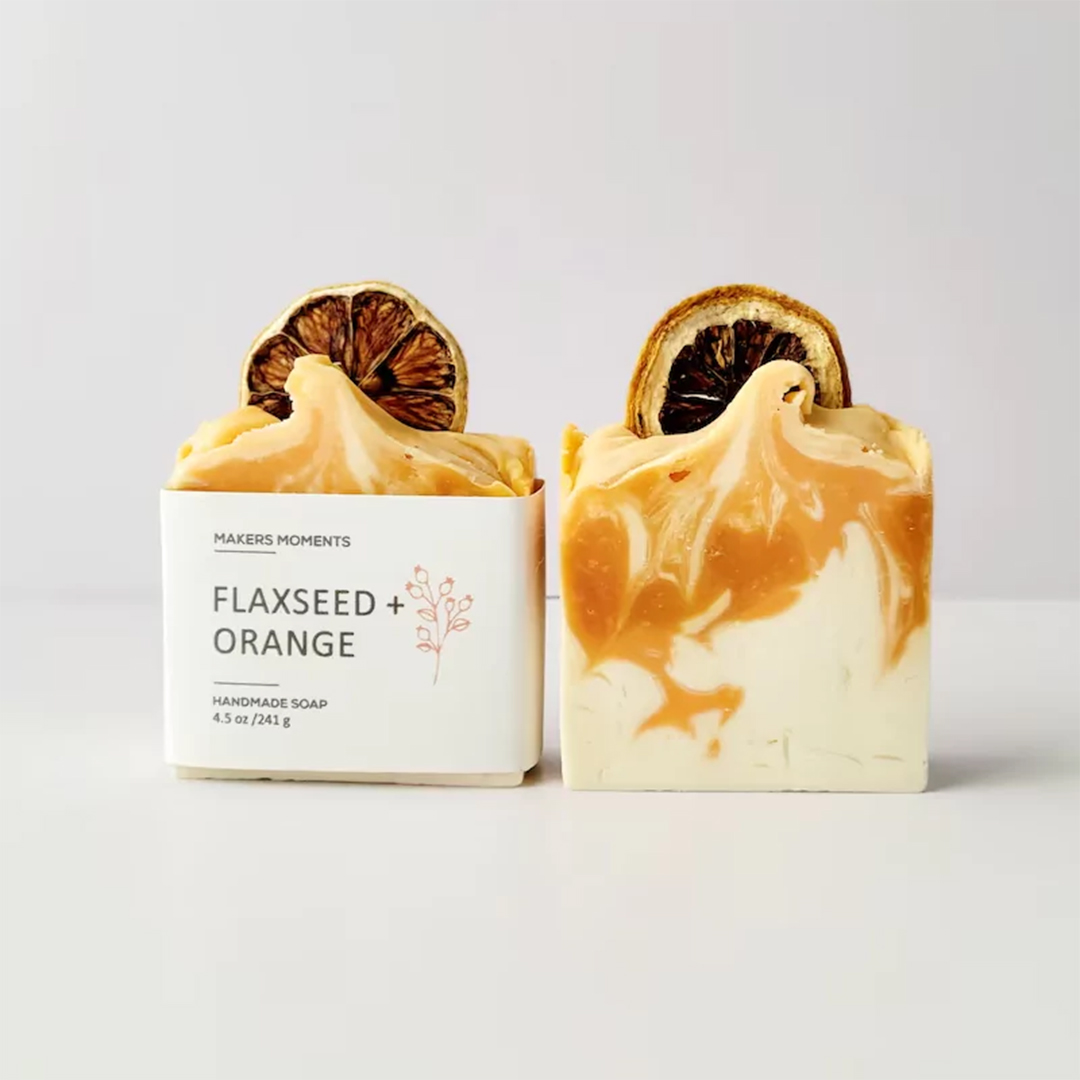
Bath and body packaging must communicate extensive information within limited space. Ingredient lists, usage instructions, benefit claims, certifications, and brand stories all compete for attention. Strategic information hierarchy ensures customers find essential details quickly. The window display sleeve enables visual product connection where customers see actual soap colors, embedded ingredients, or textured surfaces reinforcing natural beauty messaging through transparent packaging elements.
Regulatory requirements and consumer expectations determine minimum information requirements. Ingredient lists must be legible. Usage instructions should be clear. Benefit claims need substantiation. Certification logos require visibility.
Information priority hierarchy includes:
- Product name and primary benefit claims
- Key ingredient highlights and natural claims
- Ingredient list meeting regulatory requirements
- Usage instructions and frequency recommendations
- Storage guidance and shelf life information
- Certification logos and sustainability credentials
- Brand story and sourcing information
- Contact information and website details
Information placement should follow natural reading patterns. Front panels communicate primary benefits and brand identity. Side panels accommodate detailed ingredient lists. Back panels house usage instructions and regulatory information.
Strategic Multi Product Line Coordination
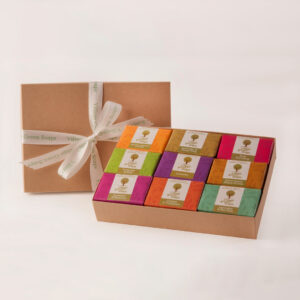
Bath and body brands typically offer product lines rather than individual items. Coordinated packaging across product lines creates unified brand presence while differentiating individual products. Color coding, consistent graphic elements, and standardized layouts maintain family relationships. The custom sizing option accommodates varied product dimensions within coordinated families where travel sizes, standard bars, and luxury sizes all maintain visual consistency through scalable design elements.
Within coordinated packaging families, individual products require differentiation enabling customer selection. Color variations, ingredient-specific graphics, or benefit-focused messaging distinguish products while maintaining brand cohesion.
Differentiation approaches include:
- Color coding by product type or scent family
- Ingredient-specific botanical illustrations
- Benefit-focused messaging highlighting unique features
- Icon systems communicating product attributes quickly
- Scent descriptors using evocative language
- Texture indicators suggesting product experience
The option accommodates varied product dimensions within coordinated families where travel sizes, standard bars, and luxury sizes all maintain visual consistency through scalable design elements.
| Product Size | Typical Dimensions | Package Function | Price Point |
|---|---|---|---|
| Travel/Sample | 1-2 oz | Trial, acquisition | Entry level |
| Standard Bar | 3-5 oz | Daily use | Core pricing |
| Luxury Bar | 6-8 oz | Premium experience | Higher tier |
| Gift Set | Multi-bar | Gifting, variety | Premium bundle |
Scent Communication Strategies
Bath and body products often rely heavily on scent appeal. Packaging must communicate fragrance profiles without scent sampling creating anticipation through descriptive language and evocative imagery.
Effective scent communication uses sensory language painting olfactory pictures. Fragrance families, key notes, and emotional associations all contribute to scent understanding before purchase.
Scent communication techniques include:
- Fragrance family identification (floral, citrus, woody, fresh)
- Top, middle, and base note descriptions
- Seasonal or mood associations creating context
- Ingredient imagery reinforcing natural scent sources
- Color psychology supporting fragrance perceptions
- Evocative language creating emotional connections
Scent windows allowing actual product smelling enhance customer confidence. Strategic perforation placement enables scent sampling while maintaining packaging integrity and product protection.
Sustainability in Bath And Body Packaging
Beauty consumers increasingly prioritize environmental responsibility. Sustainable packaging choices reinforce natural ingredients, ethical production, and environmental consciousness resonating with wellness-oriented customers. Understanding the bath and body category helps brands navigate sustainability expectations specific to beauty market segments.
Multiple sustainable options suit bath and body packaging needs. Recycled papers, biodegradable films, and plant-based materials all support environmental positioning while meeting functional requirements.
Sustainable material considerations include:
- Recycled content percentages and certifications
- Biodegradability and composting compatibility
- Plastic-free packaging system alternatives
- Renewable resource sourcing credentials
- Manufacturing process environmental impacts
- End-of-life disposal or recycling pathways
Environmental claims require substantiation. Third-party certifications provide credibility. Clear communication about packaging sustainability educates consumers about responsible choices supporting brand values.
| Sustainability Feature | Consumer Appeal | Cost Impact | Implementation |
|---|---|---|---|
| Recycled Content | High | Low-Moderate | Easy |
| Biodegradable | Very High | Moderate | Moderate |
| Plastic-Free | Very High | Low-High | Variable |
| FSC Certified | Moderate-High | Low | Easy |
| Carbon Neutral | Moderate | Moderate-High | Complex |
Premium Bath Product Packaging
Luxury bath and body brands require packaging communicating premium quality justifying higher price points. Special finishes, unique materials, and sophisticated design elements create luxury perceptions.
Premium finishes elevate perceived value through tactile and visual enhancements. Soft-touch coatings, metallic foils, and embossing create sensory experiences reinforcing luxury positioning.
Premium finishing techniques include:
- Soft-touch coating creating velvet-like texture
- Metallic foiling in gold, silver, or rose gold
- Embossing producing dimensional brand elements
- Spot UV creating selective gloss contrasts
- Debossing offering subtle elegant details
- Custom die-cuts enabling unique structural elements
Luxury packaging investments should align with product pricing and target markets. Ultra-premium spa brands justify extensive finishing. Mid-tier products might select one or two premium elements creating differentiation without excessive cost.
Spa And Wellness Retail Applications
Spa environments present specific packaging requirements where products display in serene, curated settings requiring packaging complementing spa aesthetics. Calm color palettes, clean designs, and professional presentation support spa brand identities.
Spa retail displays differ from traditional store shelving. Products often arrange on spa reception desks, treatment room displays, or boutique-style shelving requiring packaging performing in intimate viewing contexts.
Spa packaging requirements include:
- Sophisticated aesthetics matching spa environment design
- Professional presentation suggesting treatment quality
- Calm color palettes supporting relaxation atmosphere
- Clean layouts enabling quick product comprehension
- Premium materials justifying spa pricing levels
- Cohesive collection appearance creating visual harmony
Packaging photography quality impacts spa product appeal where natural light photography, spa setting contexts, and lifestyle imagery create aspirational product positioning.
Natural And Organic Product Positioning
Natural bath and body products require packaging communicating ingredient purity, organic credentials, and environmental consciousness. Design elements should reinforce natural positioning through material choices, color palettes, and graphic approaches.
Natural product packaging benefits from earth-toned color palettes, botanical illustrations, and texture suggesting handcrafted quality. Material authenticity matters where natural papers reinforce organic ingredient messaging.
Natural positioning strategies include:
- Earth-tone color palettes suggesting natural origins
- Botanical illustrations connecting ingredients to sources
- Kraft or recycled materials reinforcing sustainability
- Handwritten or organic typography styles
- Minimal processing aesthetic avoiding over-refinement
- Certification logos validating natural or organic claims
Natural beauty consumers scrutinize packaging choices as brand authenticity indicators. Synthetic materials or overly processed aesthetics may undermine natural positioning despite actual organic ingredients.
Gift And Special Occasion Packaging
Bath and body products represent popular gift choices requiring packaging communicating gift-worthiness. Gift sets, holiday editions, and special occasion products need presentation elevating them beyond everyday purchases.
Gift-appropriate packaging requires premium appearance eliminating additional gift wrapping needs. Attractive designs, special finishes, and giftable proportions create ready-to-give presentation.
Gift packaging features include:
- Premium finishing suggesting special occasion appropriateness
- Attractive designs eliminating gift wrap requirements
- Set configurations enabling multiple product gifting
- Seasonal graphics matching holiday or occasion themes
- Gift messaging space for personalization options
- Presentation quality justifying gift price points
Seasonal bath and body products require packaging adaptability. Core designs with seasonal accents maintain brand recognition while enabling timely market relevance.
E-Commerce Bath Product Packaging
The beauty product packaging through systematic approaches helps brands build cohesive identities supporting recognition, operational efficiency, and sustainable growth across expanding product lines and evolving market opportunities.
Online bath and body sales require packaging surviving shipping while creating positive unboxing experiences. Moisture protection during transit, structural integrity under handling stress, and photogenic presentation all matter for e-commerce success.
E-commerce unboxing significantly impacts customer satisfaction and social sharing. Packaging should create memorable moments encouraging reviews, repeat purchases, and social media content creation.
E-commerce packaging considerations include:
- Shipping protection preventing damage during transit
- Moisture resistance surviving varied storage conditions
- Photography appeal supporting product listings
- Unboxing excitement encouraging customer satisfaction
- Information clarity enabling self-service questions
- Compact dimensions minimizing shipping costs
Product photography requirements influence packaging design where sleeves must photograph attractively for online listings. Clean backgrounds, clear text legibility, and attractive color reproduction all matter.
Developing Bath And Body Packaging Systems
Successful bath and body brands develop comprehensive packaging systems rather than individual product packages. Coordinated families, scalable designs, and flexible templates enable efficient product line management.
Packaging systems thinking considers entire product portfolios, multiple distribution channels, and future product development when establishing design frameworks and structural standards.
System development considerations include:
- Core design templates adaptable across products
- Scalable graphic elements working at varied sizes
- Color coding systems enabling product differentiation
- Modular information layouts accommodating variations
- Material standards applicable across product lines
- Production specifications streamlining manufacturing
Comprehensive planning prevents fragmented brand presentation. Established systems enable new product introductions maintaining family relationships. Scalability supports business growth without constant packaging redesign.