





Description
Soap Bar Sleeve Essential Packaging Solution
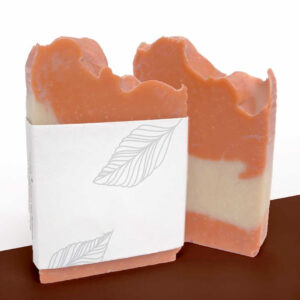
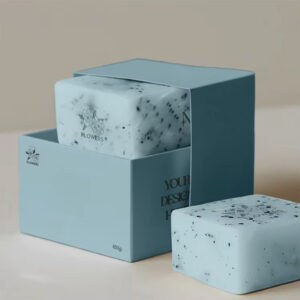
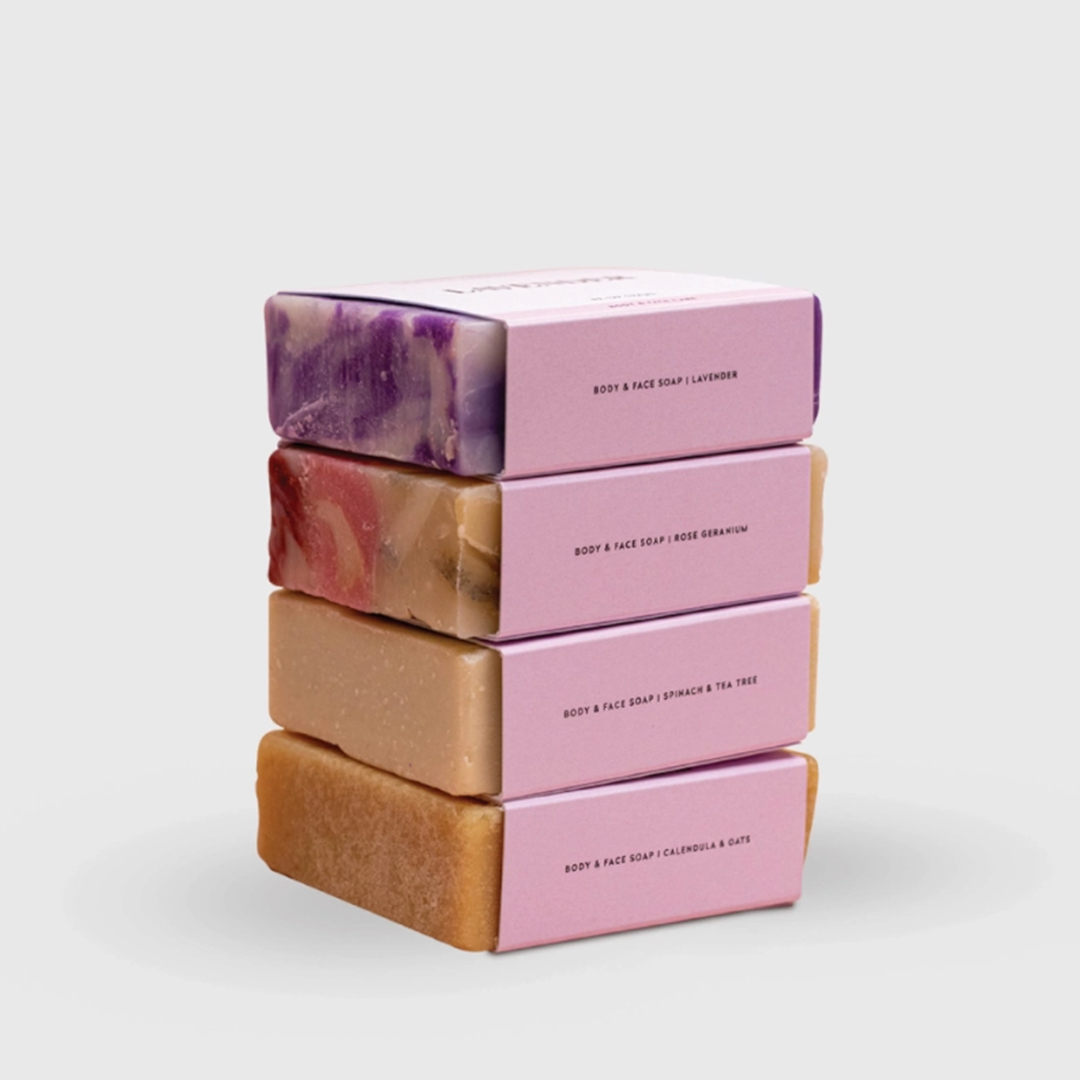
Soap bar sleeves provide fundamental packaging for individual soap bars protecting products while enabling branding and information communication. These basic wrapping solutions accommodate standard rectangular soap shapes offering practical protection during storage, distribution, and customer handling. Manufacturers, handmade soap makers, and commercial producers all rely on bar sleeves creating professional product presentation without excessive packaging complexity or cost. The paper wrap version demonstrates how simple materials deliver effective protection while supporting brand identity through printing and design customization.
Basic bar sleeves balance functionality with economics. Simple construction minimizes production costs while adequate material weight protects soap surfaces from damage. Straightforward designs enable efficient application whether hand-applied by artisan makers or machine-applied in commercial operations. This fundamental packaging category serves diverse soap businesses from startup operations through established brands.
Understanding Basic Bar Sleeve Functions
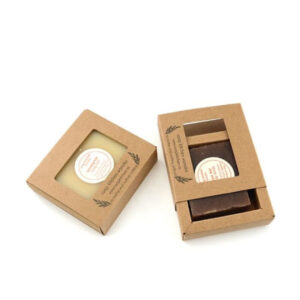
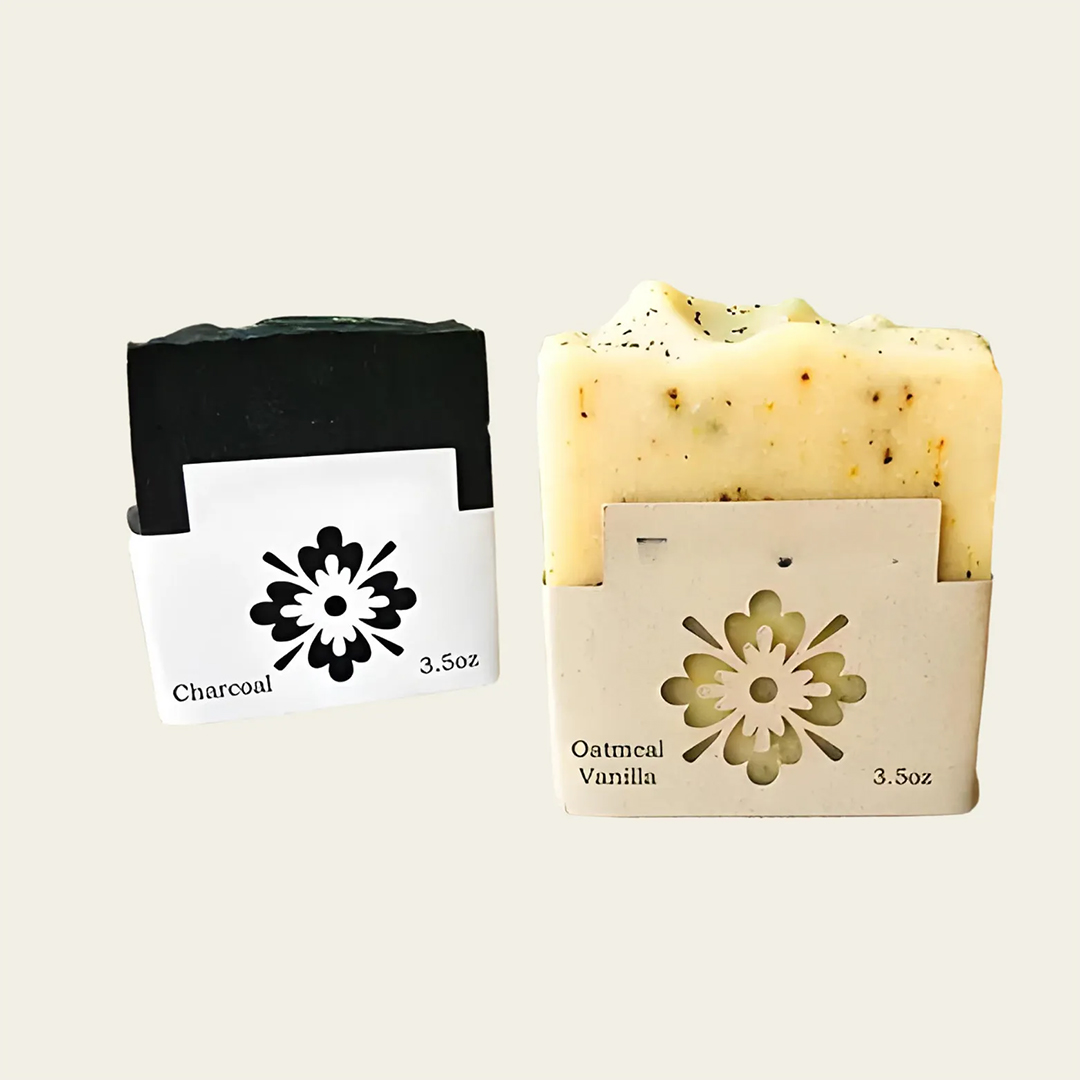
Bar sleeves serve multiple essential functions beyond simple product covering. Protection prevents soap damage during shipping and handling. Branding creates visual identity distinguishing products in competitive markets. Information communication educates customers about ingredients, usage, and benefits. Hygiene barriers maintain product cleanliness before purchase. The kraft bar wrap illustrates how natural materials achieve these functions while reinforcing organic or eco-friendly brand positioning.
Protection represents the foundational bar sleeve purpose. Physical barriers prevent scratches, dents, and contamination affecting soap appearance and customer appeal. Sleeves shield products from dust, dirt, and environmental exposure during distribution.
Protection benefits include:
- Surface protection preventing scratches and marks
- Contamination barriers blocking dust and particles
- Structural support reducing breakage risks during shipping
- Moisture control limiting environmental humidity exposure
- Scent preservation containing fragrances before purchase
- Handling protection maintaining pristine appearance
Different soap types require varying protection levels. Soft soaps need gentle wrapping preventing deformation. Hard bars withstand firmer sleeve contact. Decorative soaps with embedded elements require careful handling during sleeve application.
| Soap Type | Protection Priority | Sleeve Material | Application Method |
|---|---|---|---|
| Soft/Glycerin | Surface protection | Lightweight paper | Gentle hand wrap |
| Hard Utility | Minimal | Standard weight | Machine or hand |
| Decorative | Scratch prevention | Smooth finish | Careful hand wrap |
| Natural/Organic | Contamination barrier | Food-grade | Either method |
Branding And Marketing Communication Roles
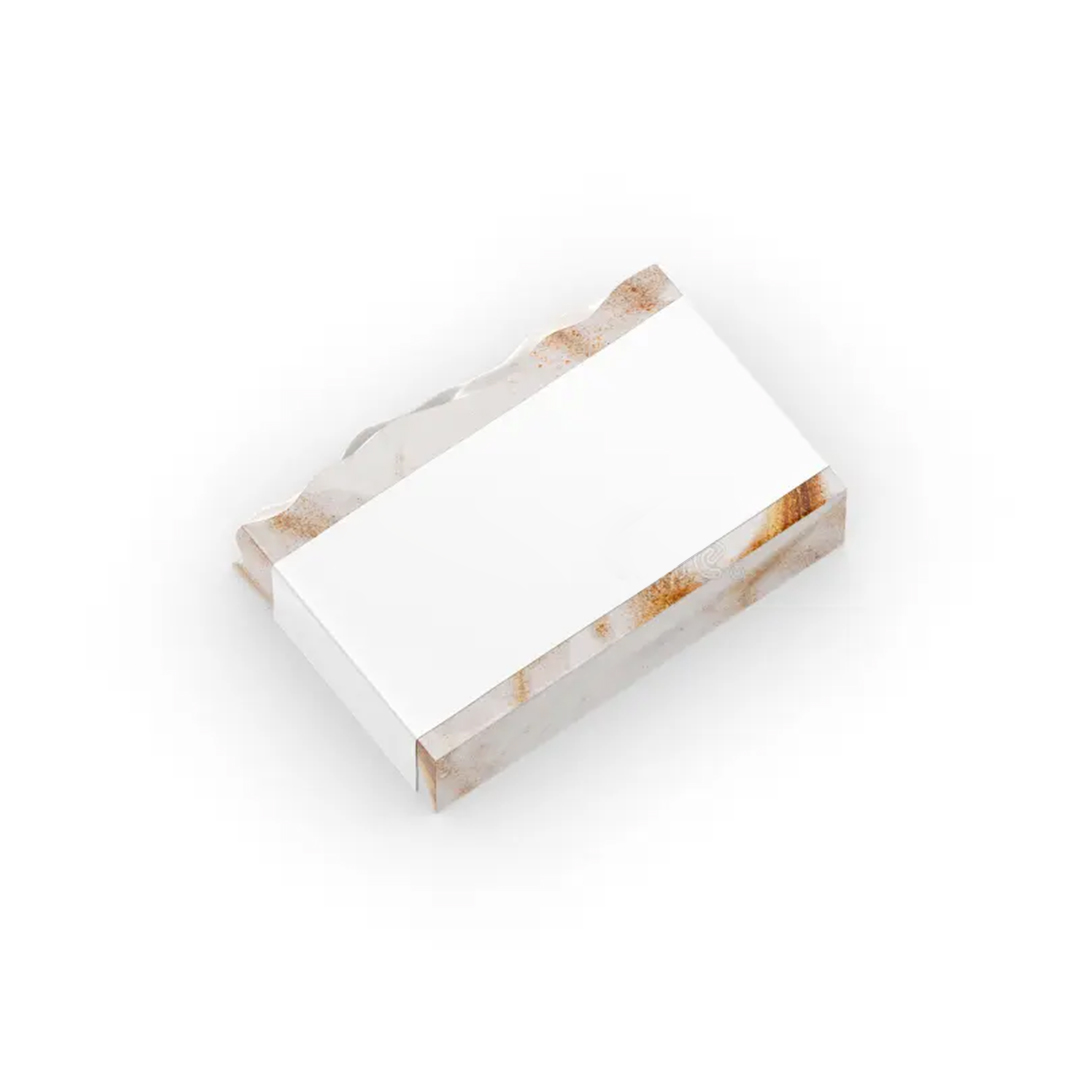
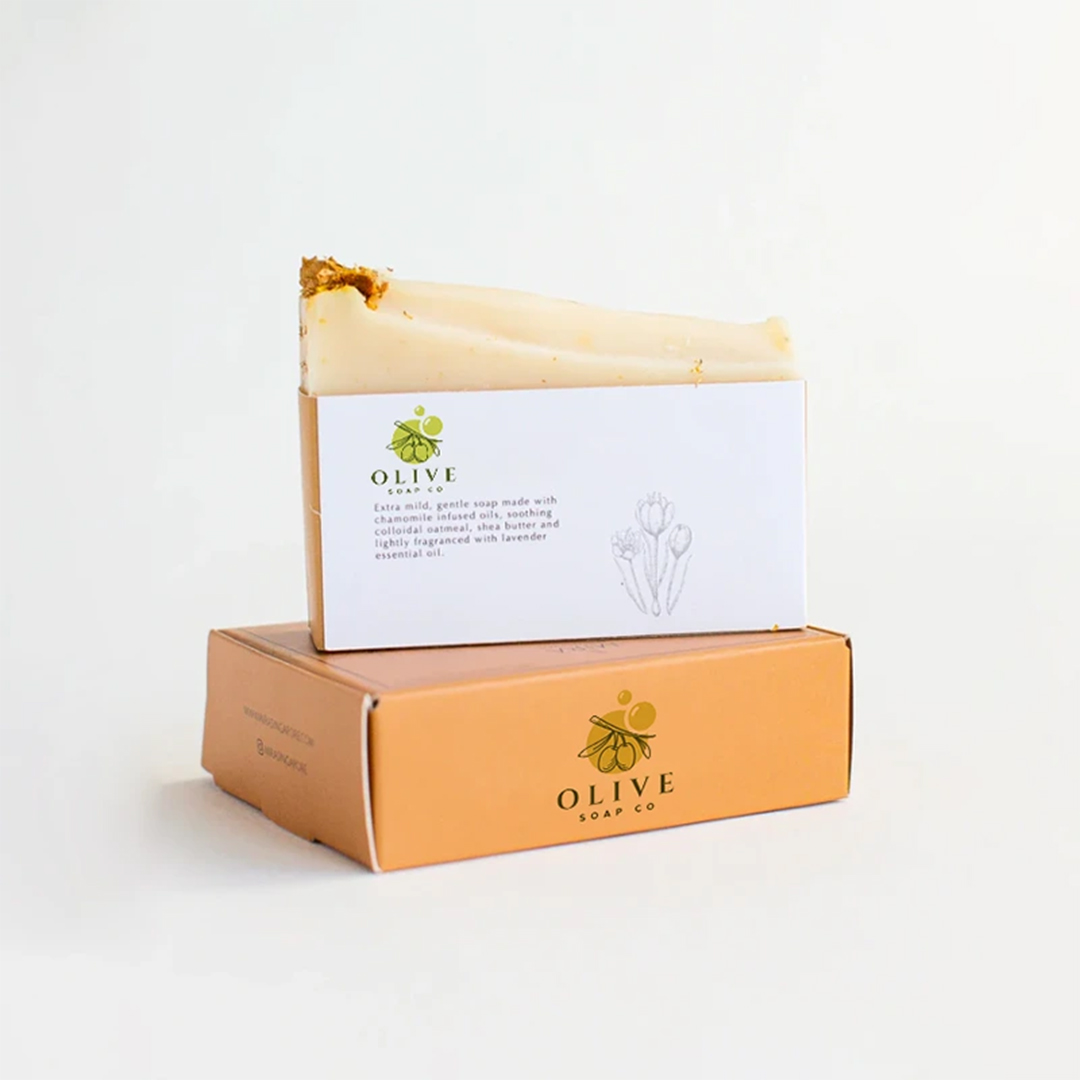
Bar sleeves serve as primary branding vehicles for soap products. Logo placement, color schemes, and design elements create visual identity customers recognize and remember. Effective sleeve branding differentiates products on crowded shelves attracting customer attention. The blank sleeve option provides foundation allowing businesses to add custom labels, stamps, or printing as branding needs evolve.
Branding elements include:
- Logo placement establishing brand identity
- Color schemes creating visual recognition
- Typography communicating brand personality
- Graphic elements supporting product messaging
- Pattern designs adding visual interest
- Taglines reinforcing brand promises
Consistent branding across product lines builds recognition. Customers associate specific sleeve appearances with particular brands creating loyalty and repeat purchases.
Material Options For Standard Bar Sleeves
Various materials suit basic bar sleeve applications each offering specific characteristics, cost implications, and aesthetic qualities. Material selection impacts both functionality and brand perception requiring consideration of multiple factors.
Paper stocks represent the most common bar sleeve materials. Different weights, finishes, and compositions suit varied needs from economical utility to premium presentation. Understanding material based sleeves helps soap makers select appropriate options matching brand positioning and budget parameters.
Paper material options include:
- Lightweight kraft (60-80 GSM) for economical applications
- Standard weight paper (100-120 GSM) for balanced performance
- Heavy cardstock (150-200 GSM) for premium products
- Textured papers adding tactile interest and character
- Recycled stocks supporting environmental messaging
- Specialty papers creating distinctive appearances
Material weight affects both protection level and perceived quality. Heavier stocks suggest premium products justifying higher pricing. Lighter materials reduce costs suitable for value-positioned offerings.
| Paper Weight | Protection Level | Cost Factor | Best Application |
|---|---|---|---|
| 60-80 GSM | Basic | Economy | Budget products |
| 100-120 GSM | Good | Standard | General purpose |
| 150-180 GSM | Very Good | Moderate | Mid-tier products |
| 200+ GSM | Excellent | Premium | Luxury offerings |
Finish And Coating Considerations
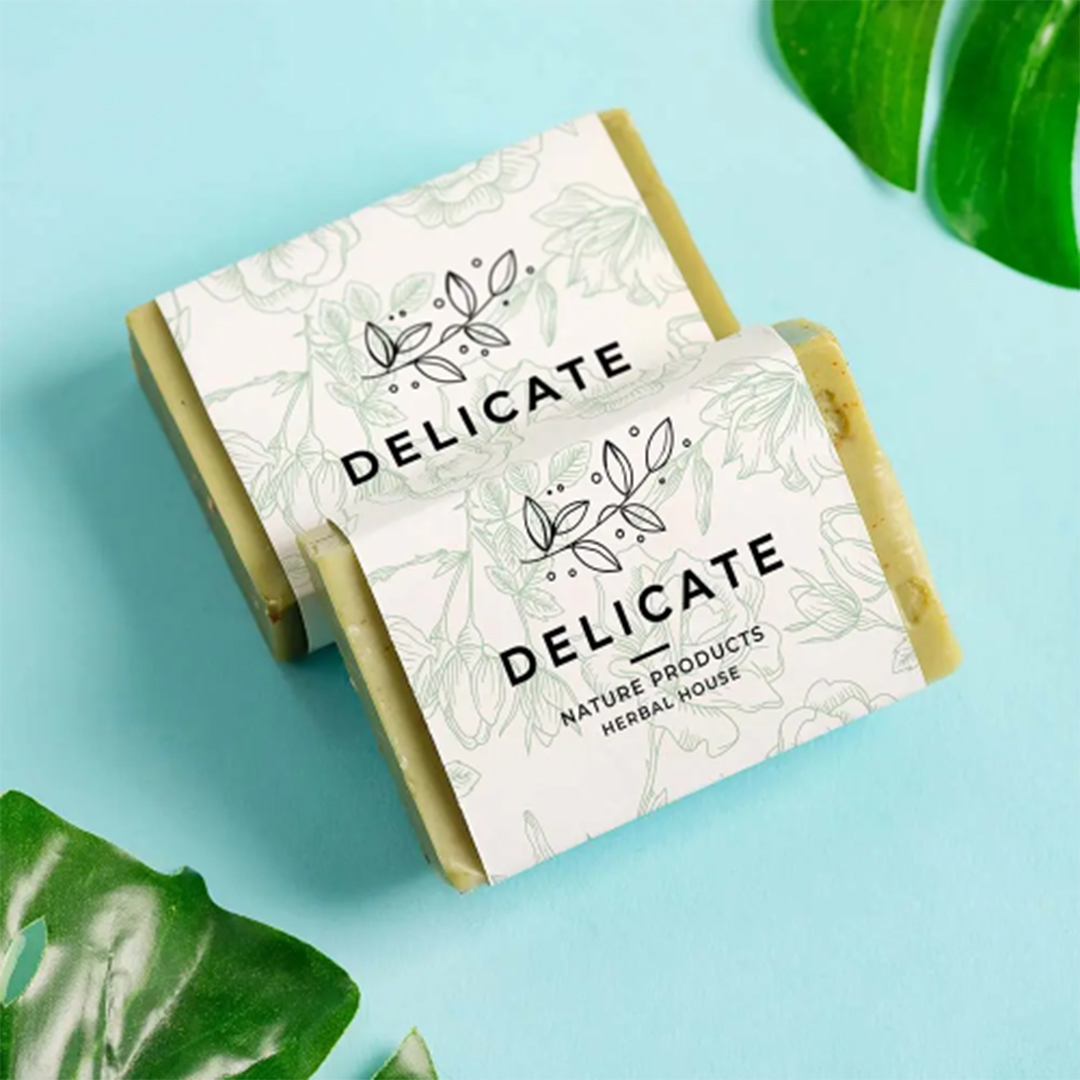
Paper finishes affect appearance, feel, and moisture resistance. Uncoated papers provide natural aesthetics and excellent printability. Coated stocks offer enhanced protection and color vibrancy. The belly band wrap demonstrates how minimal coverage with appropriate finishing creates effective packaging using less material.
Finish selection should align with brand positioning. Natural soap brands benefit from uncoated stocks. Luxury products warrant glossy finishes. Budget offerings use minimal finishing reducing costs.
Finish options include:
- Uncoated natural maintaining paper texture and feel
- Matte coating reducing glare and fingerprints
- Gloss coating enhancing colors and creating shine
- Satin finish balancing sheen with subtlety
- Textured coatings adding dimensional interest
- Spot treatments highlighting specific design elements
Standard Sleeve Sizing And Dimensions
Bar sleeves must fit soap products properly balancing snug protection with easy application. Standard sizing accommodates common soap bar dimensions while custom options serve unique requirements.
Industry-standard soap bars typically measure 3-4 inches length, 2-3 inches width, and 1-1.5 inches thickness. Sleeves accommodate these dimensions with appropriate tolerances enabling comfortable fit.
Standard sleeve dimensions include:
- Small bars: 3″ x 2″ x 1″ with 0.25″ tolerance
- Medium bars: 3.5″ x 2.5″ x 1.25″ with 0.25″ tolerance
- Large bars: 4″ x 3″ x 1.5″ with 0.25″ tolerance
- Guest sizes: 2.5″ x 1.75″ x 0.75″ with 0.25″ tolerance
- Oversized: 5″ x 3.5″ x 2″ with 0.25″ tolerance
Tolerance margins prevent overly tight fits complicating sleeve application while avoiding excessive looseness appearing unprofessional.
Custom Sizing For Unique Products
Non-standard soap dimensions require custom sleeve sizing. Handmade artisan soaps, specialty shapes, and unique production methods create varied bar sizes. Understanding custom dimensions enables precise fitting for any soap configuration regardless of shape or size variations.
Custom sizing typically requires minimum order quantities justifying die creation costs. Simple size adjustments may accommodate smaller orders than complex custom shapes.
Custom sizing considerations include:
- Measuring actual product dimensions accurately
- Adding appropriate tolerance margins
- Accounting for soap settling or shrinkage
- Accommodating decorative elements or protrusions
- Considering hand versus machine application methods
- Testing fit before full production commitments
| Customization Level | Minimum Quantity | Die Cost | Lead Time |
|---|---|---|---|
| Standard Size | 100-250 units | None | 5-7 days |
| Minor Adjustment | 250-500 units | Low | 7-10 days |
| Custom Size | 500+ units | Moderate | 10-14 days |
| Complex Shape | 1,000+ units | High | 14-21 days |
Closure And Application Methods Available
Bar sleeves utilize various closure methods from simple overlaps to sophisticated mechanisms. Closure selection affects appearance, security, and application efficiency.
Simple overlap closures represent the most economical approach where sleeve ends overlap without adhesive. Tuck closures insert flaps securing sleeves through friction.
Simple closure benefits include:
- Minimal production cost without adhesive requirements
- Easy hand application suitable for small operations
- Environmentally friendly avoiding adhesive chemicals
- Flexibility accommodating slight size variations
- Quick application supporting efficient production
- Easy removal by customers opening products
Overlap closures suit handmade operations applying sleeves individually. Commercial production may require adhesive or mechanical closures enabling automated application.
Adhesive And Sealed Closure Options
Adhesive closures provide secure sealing preventing sleeves from opening during handling. Various adhesive types suit different applications and environmental considerations. The waterproof sleeve often incorporates sealed closures preventing moisture penetration through unsealed edges.
Adhesive selection balances security needs with opening ease and environmental preferences. Natural adhesives support eco-friendly positioning while synthetic options offer performance advantages.
Adhesive closure types include:
- Permanent adhesive creating lasting bonds
- Removable adhesive enabling easy customer opening
- Spot adhesive minimizing material use
- Full-strip adhesive providing maximum security
- Water-activated adhesive simplifying application
- Pressure-sensitive adhesive enabling machine application
Printing And Design Capabilities
Bar sleeve printing transforms basic wrapping into branded marketing tools. Various printing methods accommodate different quantities, budgets, and design complexities.
Digital printing enables economical short runs without expensive setup costs. Variable data printing allows customization within single production runs. Full-color capabilities reproduce complex designs and photography.
Digital printing advantages include:
- Low minimums starting at 100-150 units
- No setup costs avoiding plate expenses
- Quick turnaround supporting tight timelines
- Variable data enabling customization
- Full-color reproduction at no premium
- Easy reordering with design modifications
Digital printing suits startups testing products, seasonal variations, or businesses requiring flexibility without large inventory commitments.
Offset Printing For Volume Production
Offset printing delivers superior quality at volume with lower per-unit costs than digital methods. Setup costs require larger quantities justifying investment through economies of scale.
Offset printing characteristics include:
- Superior color accuracy and consistency
- Sharp detail reproduction and clarity
- Pantone color matching ensuring brand precision
- Cost effectiveness at volume quantities
- Wide substrate compatibility across materials
- Specialty ink options including metallics
Offset printing becomes economical above 100-1,000 units depending on design complexity and color requirements.
| Printing Method | Minimum Quantity | Setup Cost | Per-Unit Cost | Best For |
|---|---|---|---|---|
| Digital | 100-250 units | None | Higher | Testing, small batches |
| Offset 1-color | 500+ units | Low | Moderate | Simple designs, volume |
| Offset 4-color | 1,000+ units | Moderate | Low | Complex designs, volume |
| Screen Print | 250+ units | Moderate | Moderate | Bold graphics, specialty |
Cost Factors And Budget Considerations
Bar sleeve costs vary based on materials, quantities, printing, and finishing choices. Understanding cost drivers helps businesses optimize packaging investments.
Material selection significantly impacts per-unit costs. Premium papers, specialty finishes, and custom sizes all increase expenses. Order quantities dramatically affect economics through setup cost amortization.
Cost variable factors include:
- Material weight and specialty grade premiums
- Printing method and color quantity requirements
- Finishing processes including coating or specialty treatments
- Order quantity affecting setup cost distribution
- Custom sizing requiring specialized die creation
- Rush production compressing normal timelines
Higher quantities reduce per-unit costs substantially. Doubling order size may reduce costs 20-40% per piece through efficiency gains.
Balancing Quality And Budget Constraints
Businesses must balance packaging quality against budget limitations. Strategic choices optimize appearance within financial constraints.
Budget optimization strategies include:
- Selecting appropriate rather than maximum material weight
- Limiting colors to essential brand requirements
- Using standard sizes avoiding custom die costs
- Ordering larger quantities when storage permits
- Choosing simpler finishes reducing processing steps
- Planning ahead avoiding rush charges
Sustainability And Environmental Considerations
Environmental consciousness increasingly influences packaging decisions. Sustainable bar sleeve choices support eco-friendly brand positioning while meeting customer expectations. Paper-based sleeves offer inherent environmental advantages through recyclability and biodegradability. Material sourcing and production methods further impact environmental footprints.
Implementing effective bar sleeve packaging requires planning, testing, and supplier collaboration. The everyday soap wraps approach provides foundation from which businesses develop customized solutions matching specific needs, brand identities, and market positioning while balancing functionality, aesthetics, cost constraints, and environmental responsibility throughout product development and ongoing production operations.
Sustainable material options include:
- Recycled content papers reducing virgin fiber demand
- FSC-certified papers from managed forests
- Biodegradable papers decomposing naturally
- Compostable materials breaking down in composting
- Minimal processing reducing manufacturing impact
- Local sourcing reducing transportation emissions
Environmental certifications provide credibility for sustainability claims. Third-party verification assures customers about environmental commitments.
Minimizing Packaging Waste Approaches
Reducing packaging material quantity lowers environmental impact while potentially reducing costs. Right-sizing sleeves eliminates excess material without compromising protection.
Waste reduction strategies include:
- Optimizing sleeve dimensions to minimum effective size
- Using lighter weight materials when adequate
- Eliminating unnecessary finishing or coating layers
- Designing efficient layouts maximizing material usage
- Choosing recyclable adhesives and inks
- Implementing recycling programs for production waste
Minimal packaging appeals to environmentally conscious consumers while supporting sustainability goals and potentially reducing expenses.
Production And Application Efficiency
Efficient sleeve application affects labor costs and production throughput. Hand application suits small operations while automation benefits high-volume manufacturers.
Small-batch producers typically apply sleeves manually. Proper techniques ensure consistent appearance while maximizing efficiency.
Hand application best practices include:
- Organizing workspace for efficient workflow
- Pre-folding sleeves if applicable before application
- Handling soaps gently preventing damage
- Aligning graphics consistently across products
- Smoothing sleeves eliminating wrinkles or bubbles
- Quality checking each piece before packaging
Practice improves speed and consistency. Experienced workers apply sleeves quickly while maintaining quality standards.
Automated Application For Volume Production
High-volume operations benefit from automated sleeve application. Machinery applies sleeves consistently at speeds impossible manually.
Automation benefits include:
- Consistent application quality across all units
- High throughput supporting volume production
- Reduced labor costs at scale
- Improved worker ergonomics reducing repetitive stress
- Reliable sealing through mechanical precision
- Integration with packaging line automation
Automation requires investment justifiable at sufficient production volumes. Hybrid approaches combine automation with manual steps optimizing costs.
Quality Control And Standards Compliance
Maintaining consistent bar sleeve quality protects brand reputation. Quality control processes catch defects before products reach customers.
Regular inspection throughout production identifies quality issues enabling prompt correction. Visual checks assess printing quality, alignment, and appearance. Structural testing verifies adequate protection.
Quality control checkpoints include:
- Material inspection confirming specifications
- Print quality verification checking color and clarity
- Die-cutting accuracy ensuring proper dimensions
- Folding and scoring quality confirming clean creases
- Adhesive performance validating secure bonding
- Overall appearance meeting aesthetic standards
Sampling protocols balance thoroughness with efficiency. Critical production stages warrant more frequent inspection than routine processes.
Food Safety And Regulatory Compliance
Soap sleeves contacting products used on skin must meet safety standards. Food-grade materials prevent contamination. Proper labeling satisfies regulatory requirements.
Compliance considerations include:
- Food-grade material certification for direct contact
- Non-toxic inks and adhesives avoiding harmful chemicals
- Accurate ingredient listing meeting regulations
- Proper allergen warnings when applicable
- Country-of-origin labeling as required
- Barcode placement for distribution systems
Regulatory requirements vary by market and distribution channels. Understanding applicable standards prevents compliance issues.