






Description
Handmade Soap Sleeves for Artisan Products
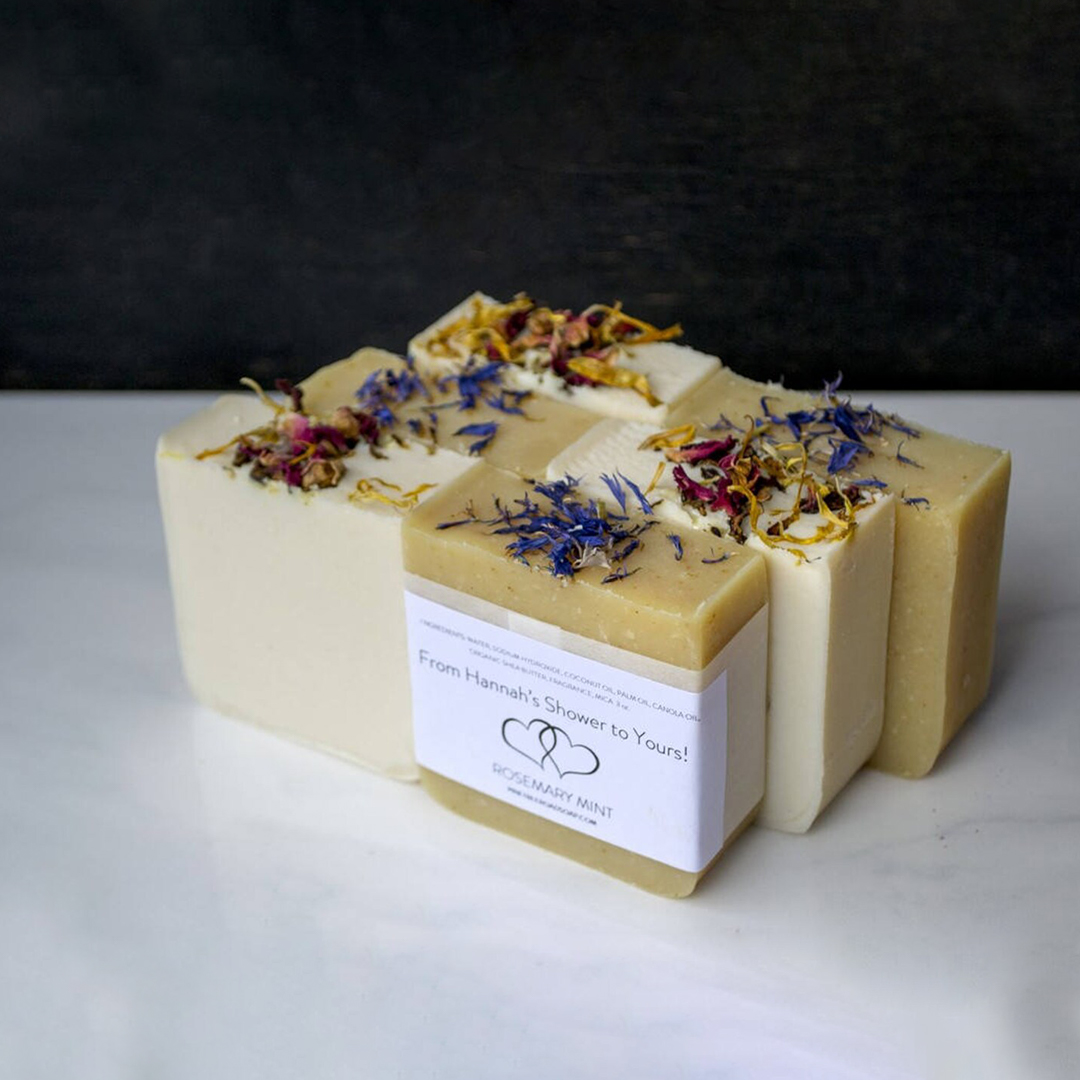
Handmade soap sleeves provide packaging solutions specifically designed for artisan soap makers creating small-batch products. These sleeves accommodate the unique characteristics of handmade soaps including irregular shapes, natural color variations, and embedded botanicals requiring packaging that protects while showcasing craftsmanship. Our sleeves support the handmade soap industry with professional packaging matching the quality and care artisans put into their products.
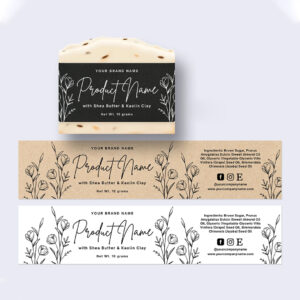
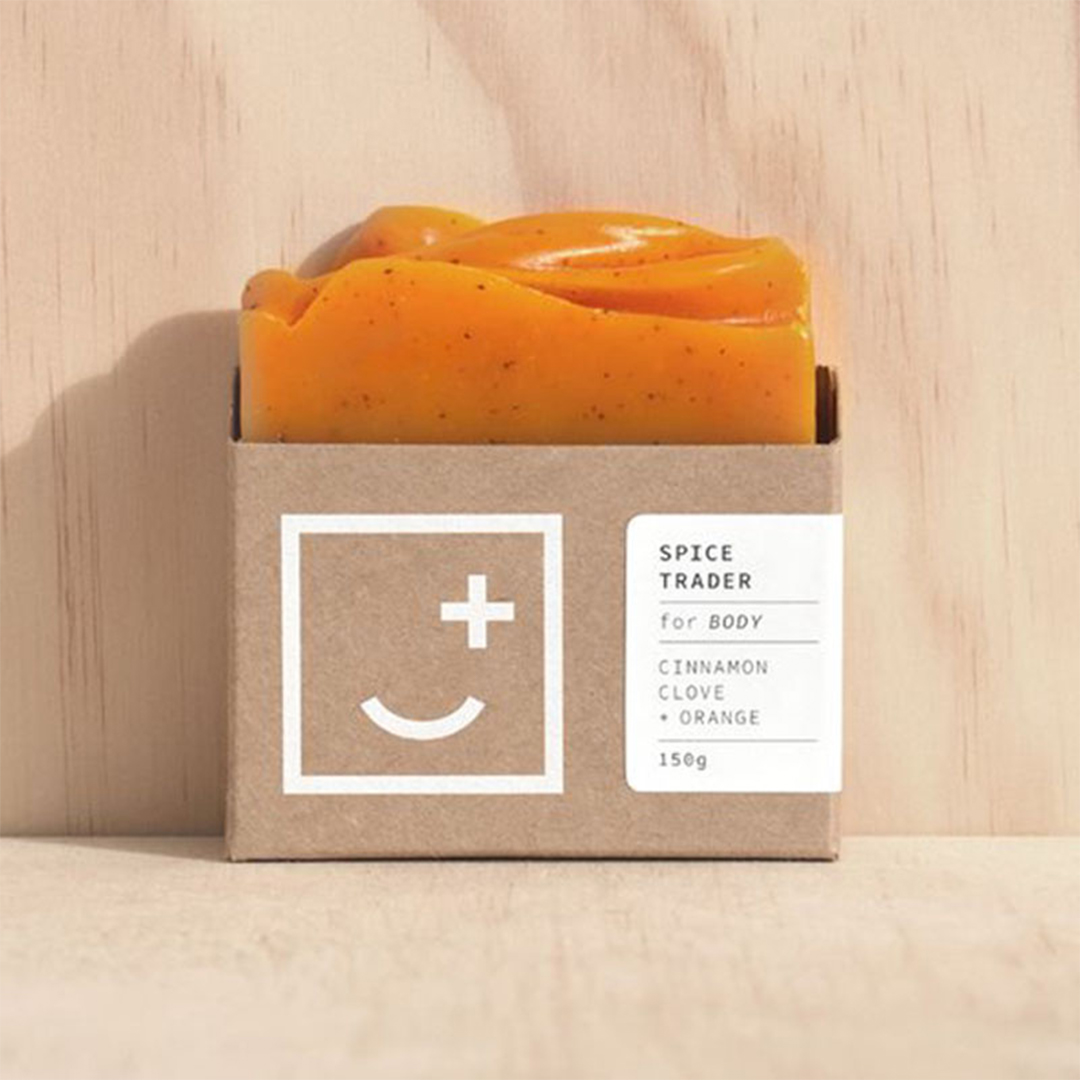
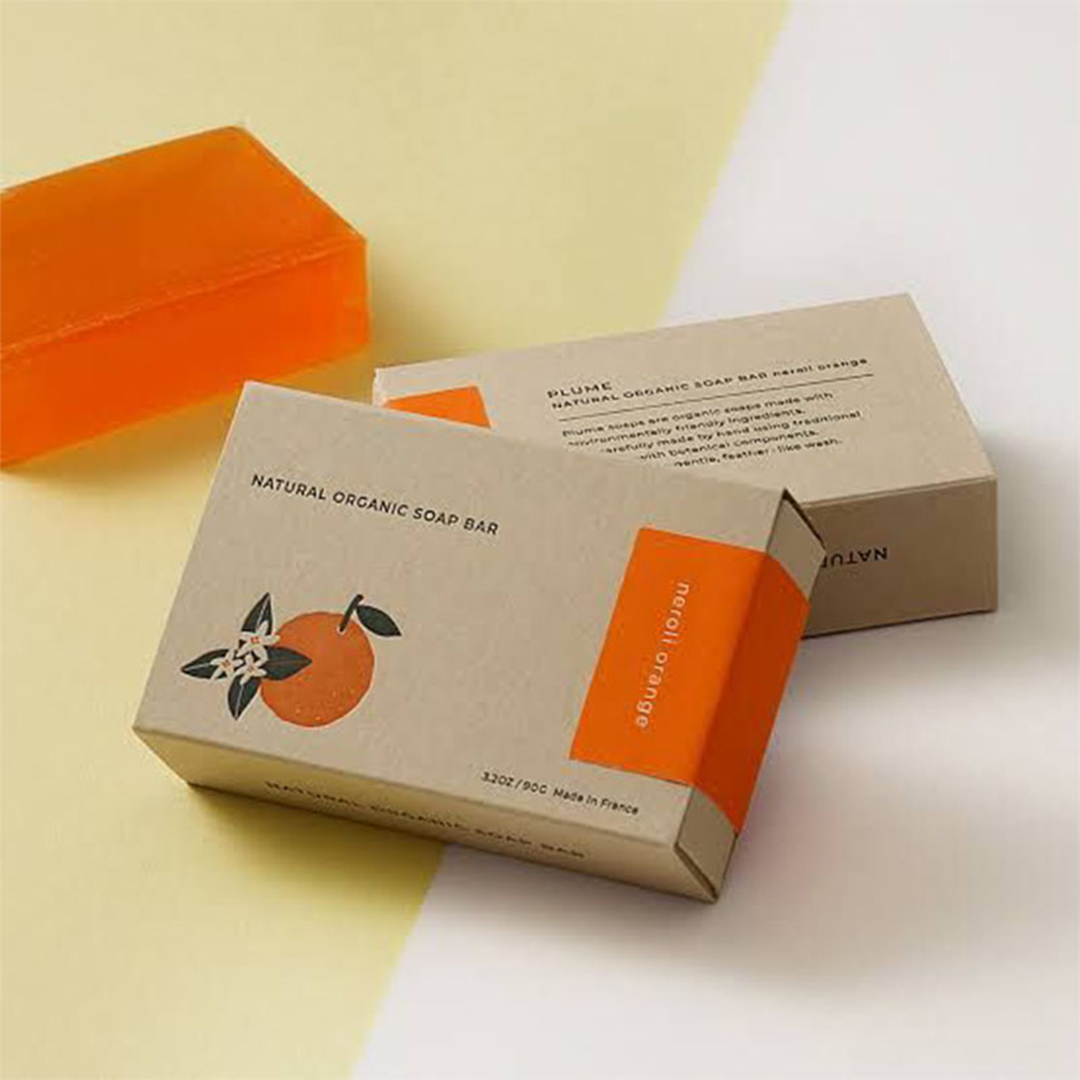
Small-batch soap makers benefit from packaging that reflects their production values and brand identity. Handmade soaps deserve packaging communicating the time, skill, and natural ingredients distinguishing them from mass-produced alternatives. The kraft handmade wrap demonstrates how natural materials complement organic soap formulations creating cohesive brand presentation.
Artisan businesses appreciate packaging adapting to production realities including slight dimensional variations between bars, natural color differences, and seasonal ingredient changes. This flexibility supports creative soap making without forcing standardization that diminishes handmade character and authentic appeal.
Understanding Artisan Soap Packaging Needs
Packaging must protect delicate soaps without hiding their handmade qualities. Customers purchasing artisan soaps want to see natural colors, embedded ingredients, and textured surfaces differentiating handmade products from commercial alternatives. The paper craft wrap offers flexibility suiting varied artisan soap characteristics.
The artisan soap market presents unique packaging challenges requiring solutions balancing protection, presentation, and authenticity. Handmade soaps vary in size, shape, texture, and fragrance intensity demanding packaging accommodating these natural variations while maintaining professional standards.
Accommodating Production Variations
Handmade soap production inherently creates slight variations between bars where manual cutting, natural settling, and ingredient distribution produce unique characteristics in each piece. Packaging must accommodate these variations without appearing ill-fitting or unprofessional.
Variation accommodation strategies include:
- Tolerance margins allowing comfortable fit across dimensional ranges
- Flexible materials conforming to slight shape irregularities
- Design elements celebrating rather than hiding variations
- Sizing options matching different production batch sizes
- Material weights supporting varied soap densities and weights
- Closure mechanisms working reliably despite size fluctuations
Different artisan soap types present specific packaging challenges. Cold process soaps continue curing after cutting, potentially shrinking slightly. Hot process soaps maintain more stable dimensions but often have textured surfaces. Melt and pour artisan soaps hold precise shapes but may be more fragile.
| Soap Making Method | Dimensional Stability | Texture Characteristics | Packaging Considerations |
|---|---|---|---|
| Cold Process | Low (curing shrinkage) | Smooth to moderate | Generous tolerances needed |
| Hot Process | Moderate | Rustic, textured | Accommodate surface texture |
| Melt & Pour | High | Very smooth | Handle fragility carefully |
| Hand-Milled | Moderate | Variable texture | Support irregular shapes |
| Rebatch | Low-Moderate | Chunky, rustic | Extra protection needed |
Adaptive Seasonal Ingredient Packaging Strategies
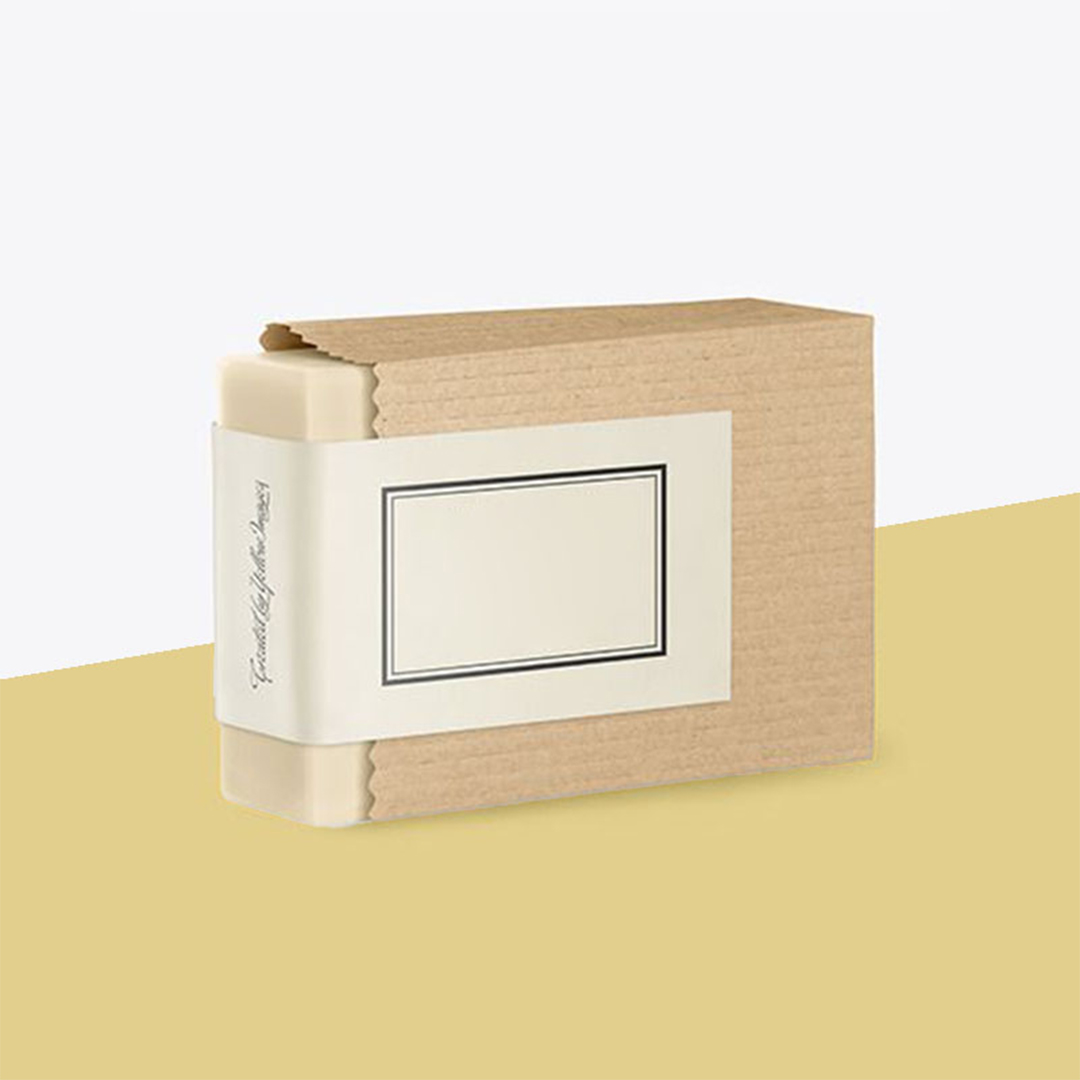
The blank sleeve option provides maximum flexibility allowing artisans to add custom labels, stamps, or handwritten details for seasonal products without requiring entirely new packaging for each variation. This cost-effective approach enables brands to maintain a consistent structural look while easily adapting their messaging for limited-edition releases.
Artisan soap makers often create seasonal products featuring different ingredients, colors, and formulations throughout the year. Packaging flexibility enables using same sleeve designs across seasonal variations while accommodating different visual presentations.
Design Approaches for Artisan Brands
Design strategies for handmade soap sleeves differ from mass-market approaches. Artisan brands benefit from designs communicating craft, authenticity, and personal touch rather than corporate polish. Hand-drawn elements, vintage typography, and organic compositions work well.
Minimalist designs let soaps speak for themselves. Simple layouts with essential information allow product quality to drive purchasing decisions. Overly designed packaging may appear inauthentic or corporate contradicting handmade positioning.
Impactful Visual Storytelling Design Elements
The window sleeve version enables visual storytelling by showcasing actual soap characteristics including natural colors, embedded botanicals, and handmade textures communicating quality before customers open packages. This transparency builds immediate consumer trust by highlighting the organic craftsmanship and premium ingredients found within every bar.
Artisan soap makers often have compelling brand stories worth sharing through packaging. Origin stories, ingredient sourcing narratives, or production philosophy descriptions create emotional connections with customers valuing authenticity and transparency.
Storytelling design elements include:
- Hand-drawn illustrations suggesting personal creation
- Handwritten fonts implying individual attention
- Origin story text creating brand connection
- Ingredient sourcing information building transparency
- Production method descriptions educating customers
- Artisan maker signatures personalizing products
Design authenticity matters where customers purchasing handmade products seek genuine connections with makers. Overly polished corporate aesthetics may reduce perceived authenticity despite actual handmade production.
| Design Approach | Brand Perception | Customer Connection | Production Complexity |
|---|---|---|---|
| Minimalist | Quality-focused | Moderate | Low |
| Hand-drawn | Personal, authentic | High | Moderate |
| Vintage | Heritage, traditional | Moderate-High | Moderate |
| Modern-clean | Professional craft | Moderate | Low |
| Illustrated | Storytelling, creative | High | High |
Handmade Market Positioning Strategies
Different artisan soap makers target varied market segments requiring appropriate packaging positioning. Luxury handmade soaps need premium packaging. Budget-friendly artisan products require economical solutions. Each market segment has specific packaging expectations.
Farmers market vendors need packaging withstanding outdoor display conditions while attracting browsing customers. Online sellers require protective packaging surviving shipping while creating memorable unboxing experiences. Each channel demands different packaging priorities.
Farmers Market Applications
Farmers markets represent important sales channels for many artisan soap makers where packaging must attract attention, communicate value quickly, and withstand outdoor handling throughout market days.
Farmers market packaging requirements include:
- Weather-resistant materials surviving outdoor conditions
- Eye-catching designs visible from browsing distance
- Clear pricing and product information enabling self-service
- Sturdy construction withstanding repeated customer handling
- Compact formats maximizing limited display space
- Professional appearance justifying artisan pricing
Packaging serves as silent salesperson when makers assist other customers. Clear, attractive sleeves communicate product benefits and brand values without requiring constant personal explanation.
Production Flexibility for Small Batches
Artisan soap makers typically produce smaller quantities than commercial manufacturers requiring packaging suppliers accommodating modest order volumes. Minimum order quantities, pricing structures, and customization options must suit small-batch production realities. The custom size sleeve option supports artisan makers creating unique soap dimensions requiring packaging matching their specific production rather than forcing size standardization.
Flexible minimums enable artisans to order appropriate quantities matching production volumes without excessive inventory investment. Volume pricing should provide reasonable economics even at lower quantities supporting small business viability.
Order Quantity Considerations
Small-batch soap makers need packaging options starting at low minimums while still accessing professional quality and customization. Order structures should support both testing new products and maintaining regular production.
Order quantity strategies include:
- Low minimums (100-250 units) enabling new product testing
- Mid-range orders (250-500 units) supporting regular production
- Bulk options (500+ units) providing economy for established products
- Mix-and-match capabilities ordering multiple designs together
- Reorder flexibility simplifying replenishment for successful products
- Sample quantities allowing evaluation before full commitments
| Order Quantity | Typical Artisan Use | Cost Efficiency | Inventory Risk |
|---|---|---|---|
| 100-250 units | New product launch | Lower | Minimal |
| 250-500 units | Seasonal production | Moderate | Low |
| 500-1,000 units | Core product line | Good | Moderate |
| 1,000+ units | High-volume sellers | Excellent | Higher |
Customization Options for Brand Identity
Customization levels vary based on budget and brand development stage. Startup artisans may begin with simple printed sleeves adding complexity as brands mature. Established makers might invest in luxury finishing creating premium market positions.
Artisan brands benefit from packaging customization creating distinctive identities differentiating products in competitive markets. Custom printing, unique materials, special finishes, and structural variations all contribute to memorable brand presentation.
Budget-Friendly Customization
Not all artisans can afford extensive packaging customization initially. Budget-friendly options still enable professional presentation supporting brand development without prohibitive investment.
Economical customization approaches include:
- Simple one or two-color printing reducing costs
- Stock sizes eliminating custom die charges
- Standard materials avoiding premium upcharges
- Minimal finishing keeping production simple
- Digital printing for low quantities avoiding setup fees
- Self-applied labels or stamps adding personal touches
The luxury finishing becomes accessible as brands grow and sales volumes justify premium packaging investments creating differentiation supporting higher pricing.
Sustainability in Artisan Packaging
Environmental consciousness often motivates both soap makers and their customers. Sustainable packaging choices reinforce organic ingredients, natural production methods, and eco-friendly brand values resonating with target markets.
Artisan soap makers frequently prioritize sustainability throughout operations. Packaging represents visible sustainability commitment customers notice and appreciate. Recyclable, biodegradable, or compostable options align with environmental values.
Eco-Friendly Material Options
Multiple sustainable material choices suit handmade soap packaging needs. Recycled papers, FSC-certified stocks, and plant-based alternatives all support environmental positioning while providing adequate product protection.
Sustainable material considerations include:
- Recycled content percentages and certifications
- FSC certification ensuring responsible forest management
- Biodegradability and composting compatibility
- Manufacturing process environmental impact
- Local sourcing reducing transportation emissions
- End-of-life disposal or recycling options
Material sustainability storytelling strengthens brand positioning. Communicating packaging choices through sleeve printing or accompanying materials educates customers about environmental commitments.
| Material Type | Recycled Content | Biodegradability | Cost Premium | Environmental Rating |
|---|---|---|---|---|
| Virgin Kraft | 0% | 6-12 months | Base | Good |
| Recycled Kraft | 30-100% | 6-12 months | +5-15% | Excellent |
| FSC Certified | 0% | 6-12 months | +8-12% | Very Good |
| Bamboo Paper | 0% | 3-6 months | +20-30% | Excellent |
Multi Channel Distribution Packaging
Each channel presents unique packaging requirements. Markets need weather resistance. Online sales require shipping protection. Wholesale accounts demand professional presentation. The market based sleeves helps artisan makers understand channel-specific needs.
Artisan soap makers often sell through multiple channels simultaneously including farmers markets, craft fairs, online stores, wholesale accounts, and subscription boxes. Packaging must perform across varied distribution scenarios.
Online Sales Considerations
E-commerce represents growing sales channels for artisan soap makers requiring packaging surviving shipping while creating positive unboxing experiences encouraging reviews, repeat purchases, and social sharing.
Online packaging requirements include:
- Structural protection preventing damage during shipping
- Moisture resistance surviving varied shipping conditions
- Compact dimensions minimizing shipping costs
- Unboxing appeal encouraging customer satisfaction
- Photo-worthy presentation supporting social media sharing
- Information clarity enabling self-service customer education
Packaging photography quality impacts online conversion rates. Sleeves must photograph attractively for product listings. Natural materials often photograph well suggesting handmade authenticity.
Seasonal Product Packaging Strategies
Many artisan soap makers create seasonal products featuring holiday scents, gift-oriented formulations, or limited-edition ingredients. Packaging strategies must accommodate seasonal variations without requiring completely new designs.
Coordinated packaging families maintain brand recognition while differentiating seasonal offerings. Color variations, seasonal graphics, or special finishes distinguish limited releases while preserving core brand identity.
Professional Holiday and Gift Packaging Trends
Seasonal packaging balances uniqueness against production efficiency. Handmade packaging ideas support artisan makers developing effective seasonal strategies without excessive complexity or inventory challenges.
Gift-giving occasions represent significant sales opportunities for artisan soap makers. Packaging must communicate gift-worthiness through premium appearance, appropriate sizing, and giftable presentation
Gift packaging features include:
- Premium finishes suggesting special occasion appropriateness
- Attractive designs eliminating additional gift wrap needs
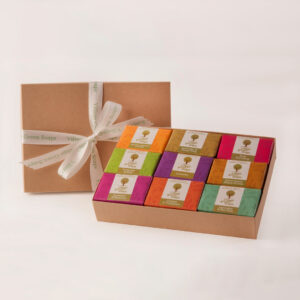
- Set-friendly sizing enabling multi-soap gift combinations
- Seasonal graphics matching holiday or occasion themes
- Gift messaging space for personalization options
- Presentation quality justifying gift-level pricing
Scaling Production With Packaging
Successful artisan soap businesses eventually scale production requiring packaging evolving with growth. Early-stage hand-applied labels may become inefficient at higher volumes. Professional printed sleeves improve efficiency.
Packaging evolution should happen gradually matching business growth stages. Premature investment in complex packaging strains budgets. Delayed upgrades may limit growth through unprofessional appearance. Timing packaging improvements appropriately supports sustainable business development.
Growth Stage Packaging Evolution
Different business stages require appropriate packaging sophistication levels. Understanding typical evolution helps artisans plan packaging development matching business progression.
Packaging evolution stages include:
- Startup: Simple sleeves, hand-applied labels, minimal investment
- Growth: Professionally printed sleeves, consistent branding
- Established: Custom sizes, premium materials, sophisticated finishing
- Mature: Multiple product lines, coordinated packaging families
- Scaling: Automated application, high-volume production efficiency
Each stage requires different packaging partners, minimum quantities, and customization levels. Planning packaging progression prevents costly mistakes or missed opportunities.
| Business Stage | Monthly Production | Packaging Sophistication | Operational Focus | Distribution Scope |
| Hobby/Startup | Under 100 units | Hand-applied labels | Recipe refinement | Local craft markets |
| Part-time Business | 100-500 units | Basic printed sleeves | Brand establishment | Local retail & online |
| Full-time Artisan | 500-2,000 units | Custom printed sleeves | Workflow optimization | Regional boutiques |
| Small Business | 2,000-5,000 units | Multiple product lines | Inventory management | National e-commerce |
| Scaling Operation | 5,000+ units | Sophisticated systems | Automation & logistics | Bulk wholesale & export |
Quality Control for Handmade Packaging
Artisan businesses must balance handmade character with quality standards. Some imperfection adds charm, but poor quality damages brand reputation. Establishing appropriate quality expectations guides packaging selection.
Quality standards should match overall brand positioning. Ultra-premium artisan soaps need flawless packaging. Rustic, affordable products tolerate minor imperfections. Understanding target market expectations prevents quality mismatches.
Acceptable Variation Parameters
Handmade production naturally includes variation. Packaging should accommodate normal production variations while maintaining professional standards protecting brand reputation.
Quality consideration factors include:
- Material consistency across production batches
- Print quality and color accuracy standards
- Structural integrity and assembly reliability
- Size tolerance ranges preventing fit issues
- Finish quality and durability expectations
- Overall professional appearance standards
Working with packaging suppliers understanding artisan business needs ensures appropriate quality levels matching brand requirements and budget constraints.